


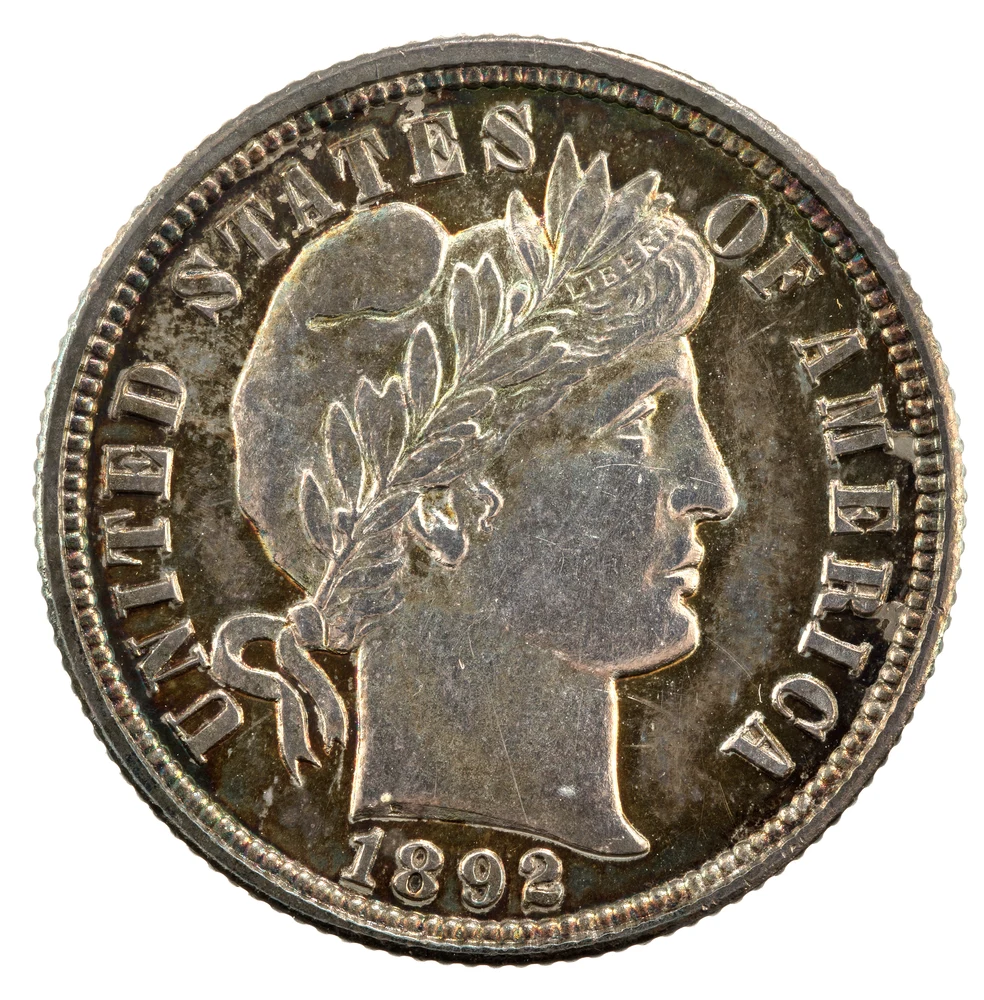
Barber Dime
Photo credits and rights on the linked coin profile.
United States • 90% silver, 10% copper
Issue years: 1892–1916
Fine silver: 0.072339 troy oz
United States • 25 U.S. cents
Barber Quarter contains 5.625 g of fine silver at its nominal 6.25 g gross weight and 90.0% silver alloy. That is approximately 0.180848 troy oz per genuine, correctly identified coin. This profile covers the original silver quarter with the Barber Liberty portrait, including 1916 Barber issues; it excludes other denominations and replicas.
When a fresh spot bid is available, melt values use fine-metal content × spot bid. CashForCoins guide buying offers use the separately configured percentage for each metal. Selected rare/numismatic coins require an appraisal. Dollar amounts remain unavailable when a fresh quote or buying percentage is missing.
These issue dates cover Barber quarters across all mints. Some individual mint-year combinations were not produced.
Formula: gross grams × fineness ÷ 31.1034768 × quantity. Dollar melt value additionally requires an approved current metal price.
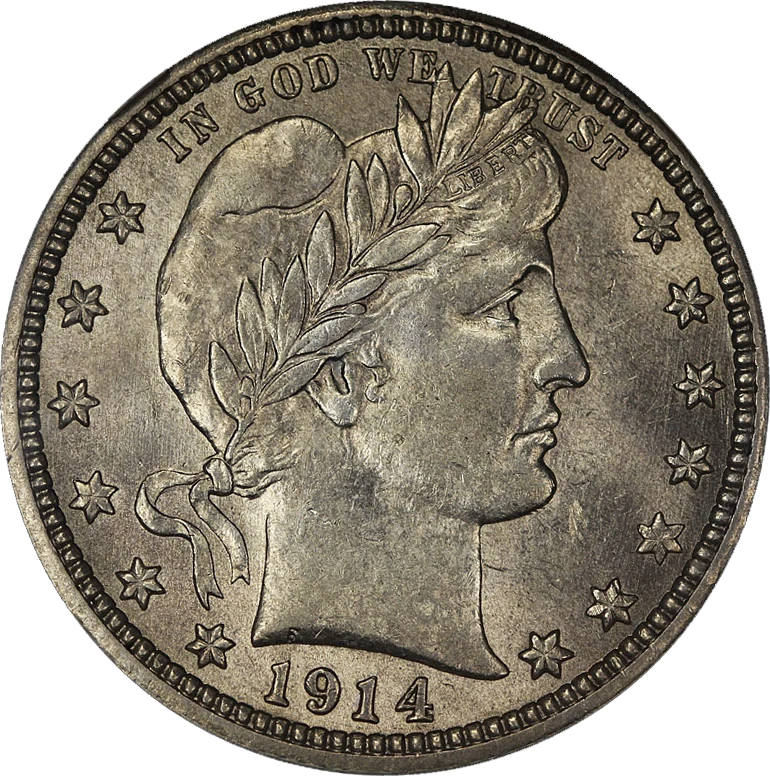
Liberty faces right with a cap and leafy wreath. Stars surround the lower portrait, IN GOD WE TRUST appears above and the date is at the bottom. The representative photograph is a 1914 coin in a holder; visible holder prongs are not part of the coin.
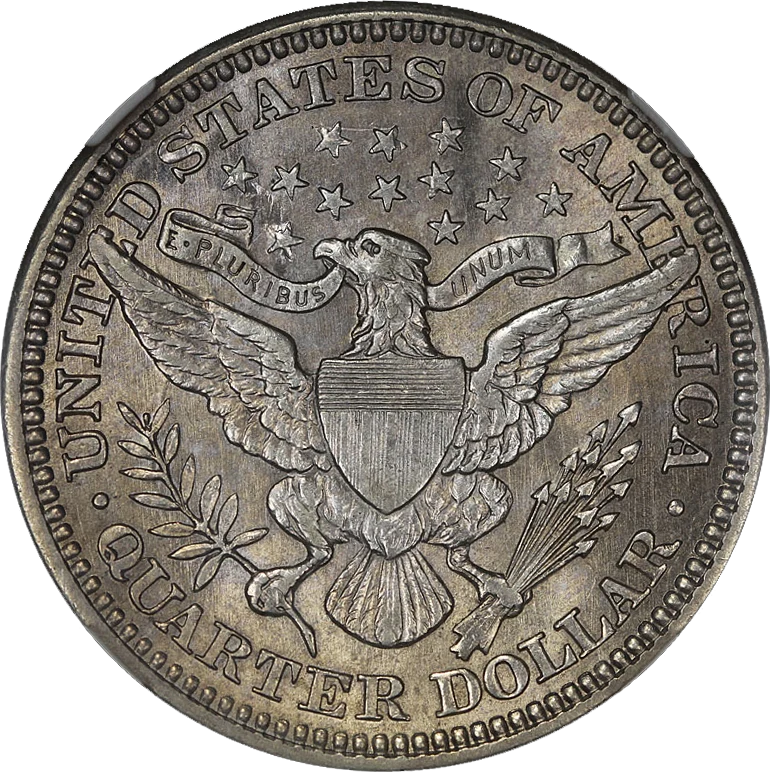
An eagle spreads its wings behind a shield, with arrows and an olive branch below. QUARTER DOLLAR runs along the lower rim. Unlike the Barber dime, this denomination has an eagle reverse rather than ONE DIME within a wreath.
The Mint’s quarter history places the Barber design in 1892–1916, followed by Standing Liberty. Nominal silver content is the same for these two original quarter types. Their designs, dates and individual collector value require separate identification.
Read QUARTER DOLLAR first, then match the Liberty head, eagle and year. Nominal mass is 6.25 g, not the entire weight of a plastic holder, and the catalog diameter is 24.3 mm. Do not infer weight from photographs of a graded slab.
The calculation is 6.25 g × 0.9 = 5.625 g fine silver; divide by 31.1034768 to convert grams to troy ounces. The rest of the coin is alloy metal. Quantity totals use nominal content; wear, damage or an incorrect identification can change the content of your actual coins.
Barber quarters run 1892–1916. Some quarters dated 1916 use Barber’s design and others show Standing Liberty. The broad year interval is a search aid; it does not promise a coin from every mint for each year.
Keep the date, mint mark and holder label together. A holder photograph is not permission to assign the pictured grade to your coin. Evaluate scarcity and surfaces separately from the nominal 90% silver calculation.
Use both sides, denomination, lettering, reeded edge and measurements of the coin itself. A holder adds mass and can conceal the edge. Avoid removing a certified coin solely for a home test; seek review if its appearance or documentation is inconsistent.
Describe the lot as Barber quarters and retain holder labels where present. Include clear photos of dates and reverse mint marks. The existing appraisal form can carry that context without turning a melt calculation into a purchase commitment.
The Mint reference supports the historical design or composition distinction described here. The separate specification record documents gross mass, silver fineness and diameter; numerical source claims are recorded individually. Fixed decimal arithmetic calculates silver content without copying a reference site’s prices. No approved live silver-price feed is configured, so dollar melt values remain unavailable. Photo identities and reuse rights are reviewed separately.
At the nominal 6.25 g gross mass, .900 fineness gives 5.625 g fine silver, approximately 0.180848 troy oz.
No. The specification describes the coin alone. A grading holder’s added mass must not be used as gross coin weight.
Content maintained by CashForCoins. Last substantive record update: 2026-10-10. Report a specification or attribution issue through our contact page.
Photo credits and rights on the linked coin profile.
United States • 90% silver, 10% copper
Issue years: 1892–1916
Fine silver: 0.072339 troy oz
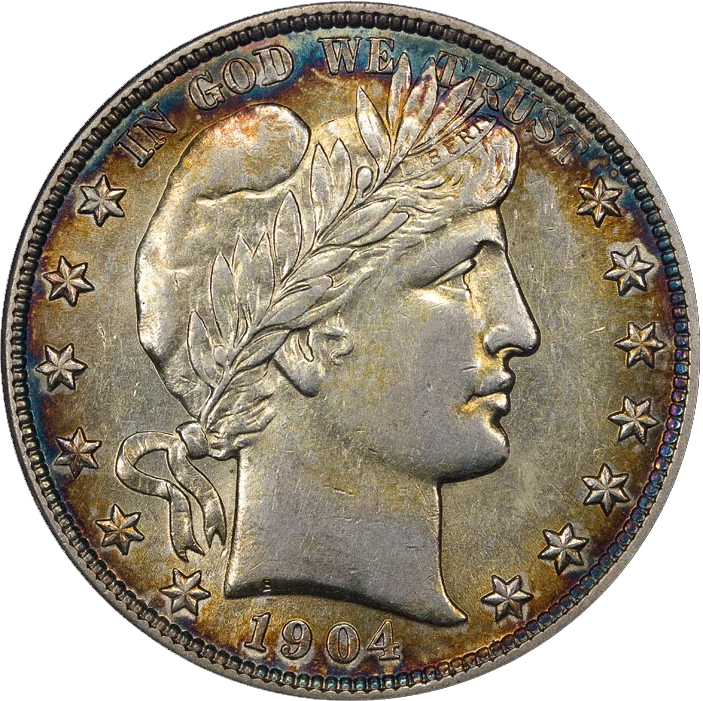
Photo credits and rights on the linked coin profile.
United States • 90% silver, 10% copper
Issue years: 1892–1915
Fine silver: 0.361696 troy oz
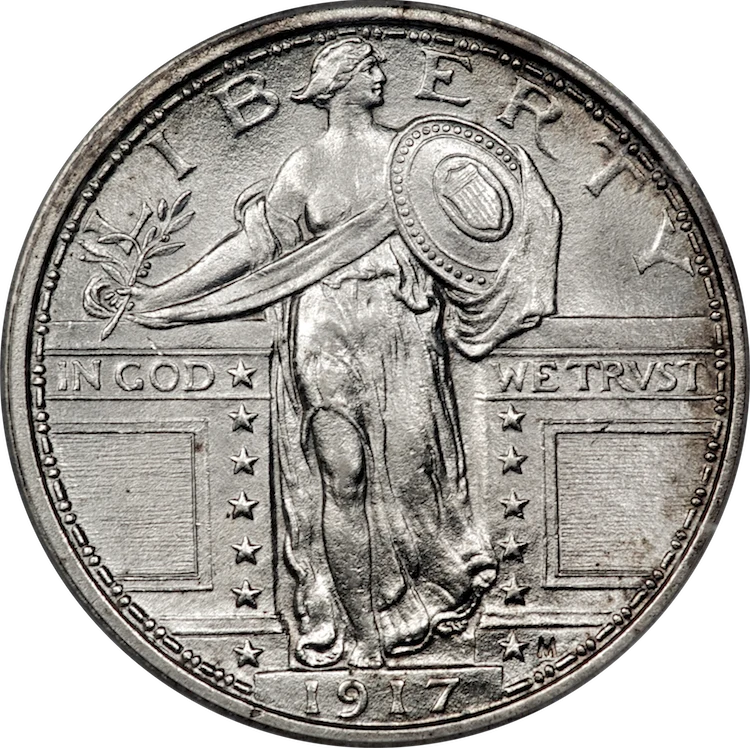
Photo credits and rights on the linked coin profile.
United States • 90% silver, 10% copper
Issue years: 1916–1921, 1923–1930
Fine silver: 0.180848 troy oz
Photographs can help identify your coin. An appraisal may consider authenticity, condition and collector demand as well as metal content.
Request a photo appraisal View current silver coin buying information
