


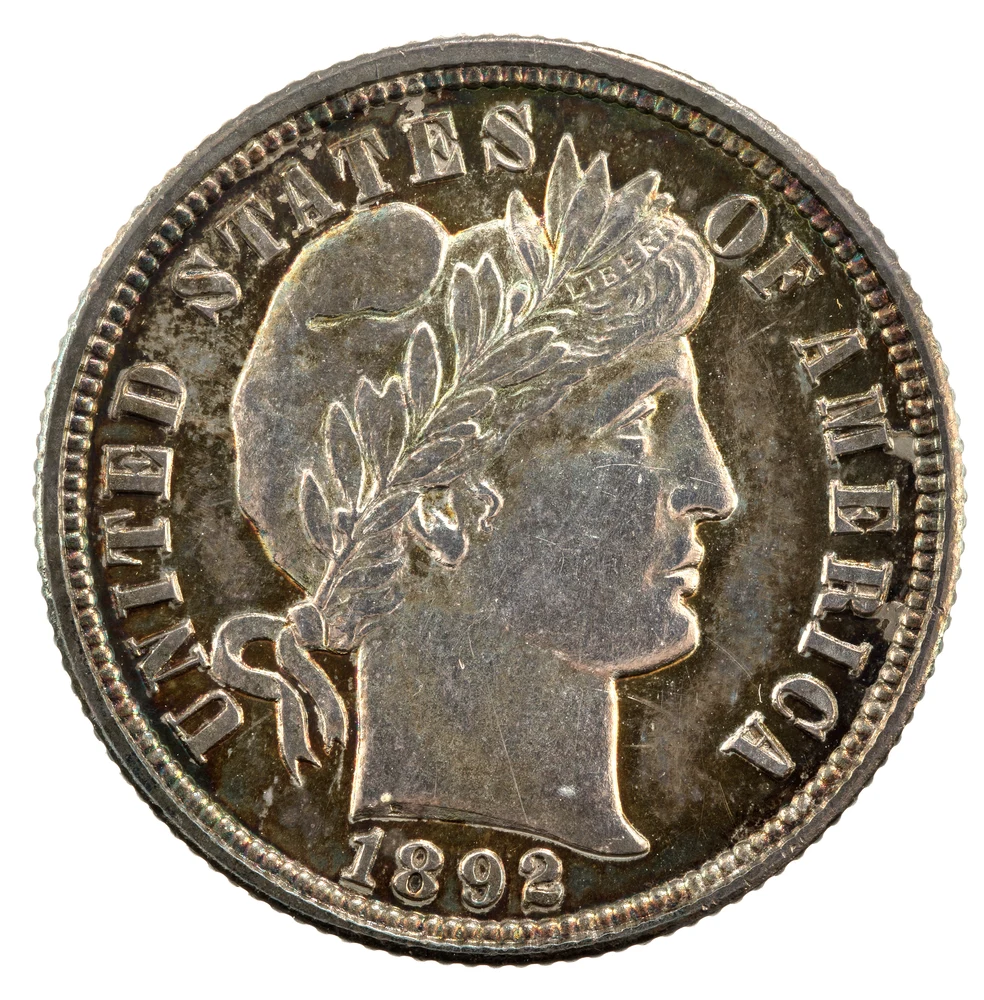
Barber Dime
Photo credits and rights on the linked coin profile.
United States • 90% silver, 10% copper
Issue years: 1892–1916
Fine silver: 0.072339 troy oz
United States • 50 U.S. cents
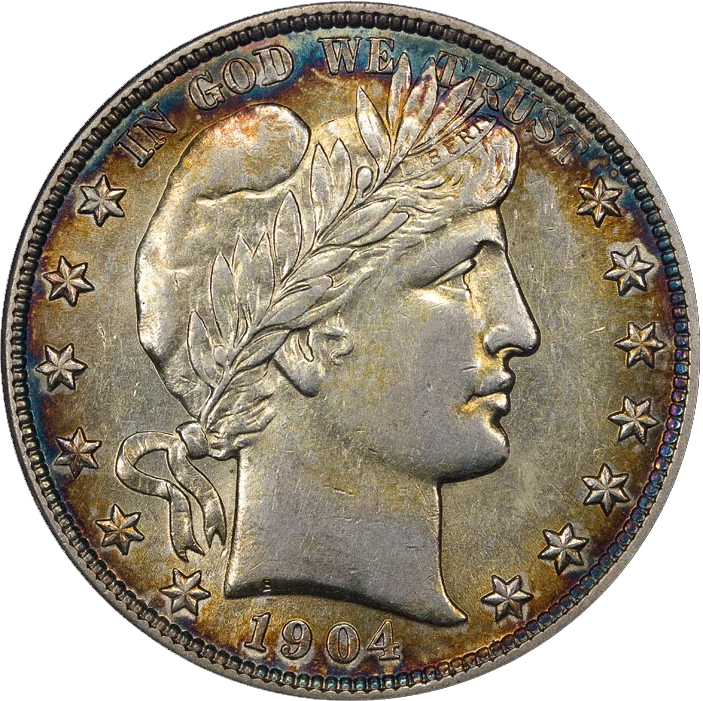
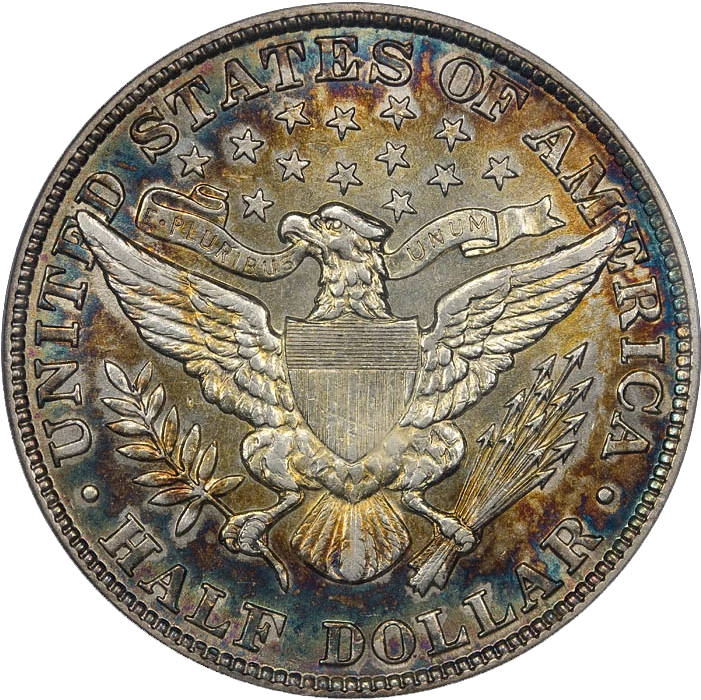
Barber Half Dollar contains nominally 11.25 g of fine silver, approximately 0.361696 troy oz, at 12.5 g gross mass and 90.0% silver overall. This covers the original 1892–1915 half dollar. A similar Barber portrait also appears on smaller denominations, so HALF DOLLAR on the reverse is essential.
When a fresh spot bid is available, melt values use fine-metal content × spot bid. CashForCoins guide buying offers use the separately configured percentage for each metal. Selected rare/numismatic coins require an appraisal. Dollar amounts remain unavailable when a fresh quote or buying percentage is missing.
The period lists dates issued across all mints, rather than promising every mint-year combination.
Formula: gross grams × fineness ÷ 31.1034768 × quantity. Dollar melt value additionally requires an approved current metal price.
Liberty faces right, wearing a cap and wreath. IN GOD WE TRUST runs above her head; stars flank the portrait and the date appears below. The representative photograph reads 1904. White holder prongs at its rim belong to the holder and should not be mistaken for part of the coin.
A spread-winged heraldic eagle carries a shield, arrows and an olive branch. Stars sit above the eagle, with UNITED STATES OF AMERICA around the upper rim and HALF DOLLAR below. The denomination separates it from the similar eagle on a Barber quarter; a Barber dime instead has a wreath around ONE DIME.
The Mint places the Barber half dollar between 1892 and 1915, preceding the Walking Liberty design. Charles E. Barber designed its two faces. The older portrait and heraldic reverse identify the design family without making a claim about the rarity of any particular date or mint.
Read HALF DOLLAR before interpreting the head and eagle. Check the 1892–1915 date, any reverse mint mark and reeded edge, then compare nominal 12.5 g mass and about 30.6 mm diameter. A cropped photograph lacks a reliable scale, so face design alone cannot establish the physical denomination.
Calculate 12.5 g × 0.9 = 11.25 g silver, then divide by 31.1034768 g per troy ounce. This is nominal metal content for a correctly identified genuine coin at standard weight, not an assay. Quantity totals use this nominal calculation; wear, damage and identification errors can affect an actual lot.
The design ends in 1915; the Walking Liberty half begins in 1916. Barber dimes and quarters have different end dates, so do not transfer their date ranges to this denomination. Mint marks and die details need issue-specific research; the pictured holder is a reference example, not a grading result for another coin.
Retain readable dates, mint marks and original surfaces. A Barber half can have collector interest beyond its nominal 11.25 g silver. Record any existing holder and provenance before combining a group for a metal calculation. This guide does not assign a condition grade, identify a rare die or quote a market premium.
Compare the full denomination, devices, lettering, date, mint mark and edge together. Measurements are useful checks but cannot certify authenticity. Avoid cleaning, scratching or removing a coin from a grading holder to make it look clearer; submit uncertain pieces for evaluation with their current documentation.
Describe a lot as Barber half dollars and record quantities by readable date or mint mark. Supply both-side photographs of unusual examples and a separate holder photo where relevant. The illustrated PCGS/CAC holder belongs to the source specimen; it does not establish the certification of your lot.
The issuer reference documents the historical design or date distinction stated here. The separate specification record supports mass, silver fraction, diameter and edge. Fine-silver arithmetic uses fixed decimals without copying reference-site prices or rounded ounce totals. Photograph identity and reuse permission are reviewed separately. No approved live price feed is configured, so dollar melt values remain unavailable. A metal-content total, a collector assessment and an accepted offer are different results.
No. Barber dimes, quarters and half dollars share related portraits but have different denominations and masses. Read HALF DOLLAR and confirm the physical size before using this calculation.
At nominal mass, 12.5 g × .900 gives 11.25 g fine silver, approximately 0.361696 troy oz. That metal amount does not establish a collector price.
Content maintained by CashForCoins. Last substantive record update: 2026-10-10. Report a specification or attribution issue through our contact page.
Photo credits and rights on the linked coin profile.
United States • 90% silver, 10% copper
Issue years: 1892–1916
Fine silver: 0.072339 troy oz
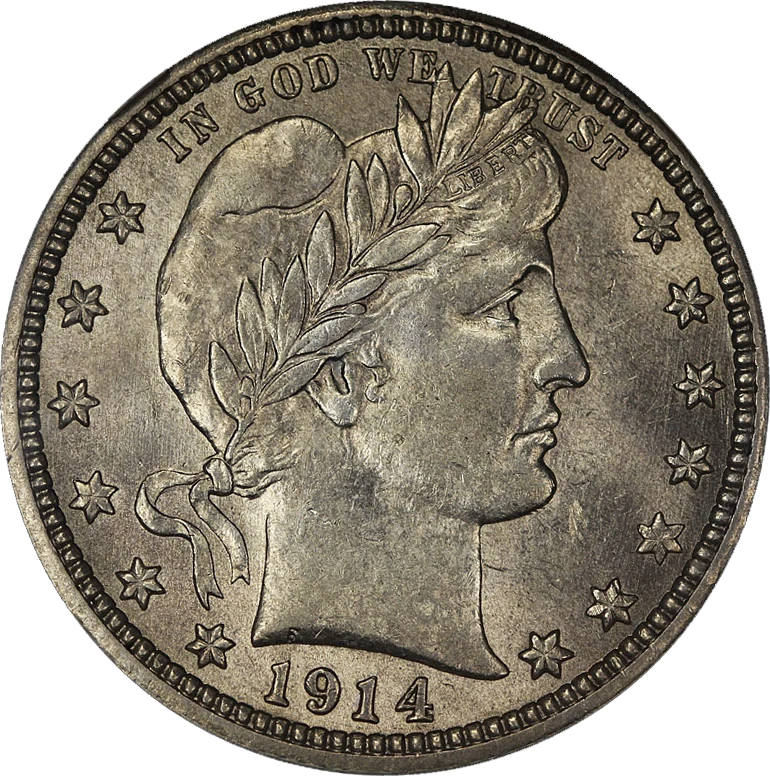
Photo credits and rights on the linked coin profile.
United States • 90% silver, 10% copper
Issue years: 1892–1916
Fine silver: 0.180848 troy oz
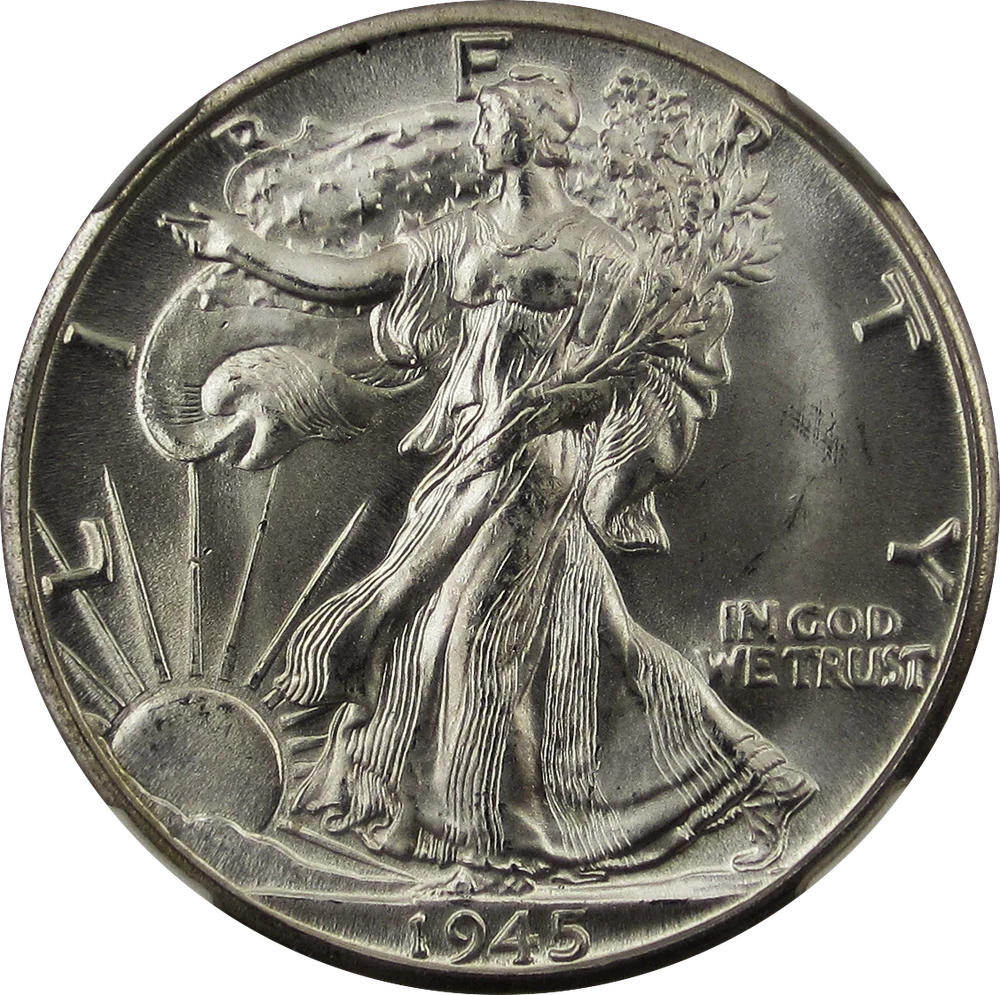
Photo credits and rights on the linked coin profile.
United States • 90% silver, 10% copper
Issue years: 1916–1921, 1923, 1927–1929, 1933–1947
Fine silver: 0.361696 troy oz
Photographs can help identify your coin. An appraisal may consider authenticity, condition and collector demand as well as metal content.
Request a photo appraisal View current silver coin buying information
