

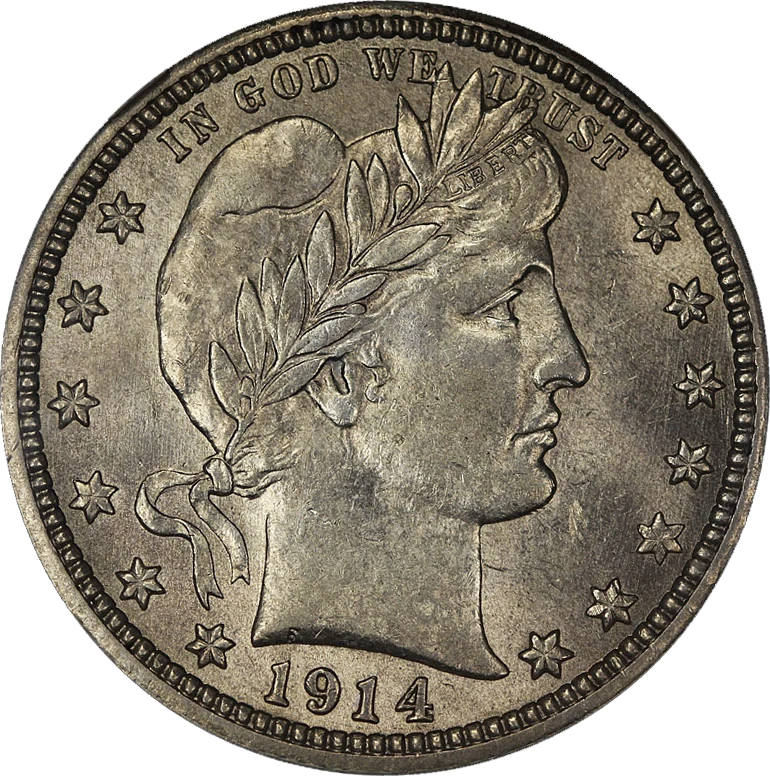
Barber Quarter
Photo credits and rights on the linked coin profile.
United States • 90% silver, 10% copper
Issue years: 1892–1916
Fine silver: 0.180848 troy oz
United States • 10 U.S. cents
Barber Dime contains 2.25 g of fine silver at its nominal 2.5 g gross weight and 90.0% silver alloy. That is approximately 0.072339 troy oz per genuine, correctly identified coin. This covers original 1892–1916 silver Barber dimes, not quarters or half dollars with a similar Liberty portrait.
When a fresh spot bid is available, melt values use fine-metal content × spot bid. CashForCoins guide buying offers use the separately configured percentage for each metal. Selected rare/numismatic coins require an appraisal. Dollar amounts remain unavailable when a fresh quote or buying percentage is missing.
These issue dates cover the Barber dime across its mints; a listed year does not imply production at every mint.
Formula: gross grams × fineness ÷ 31.1034768 × quantity. Dollar melt value additionally requires an approved current metal price.
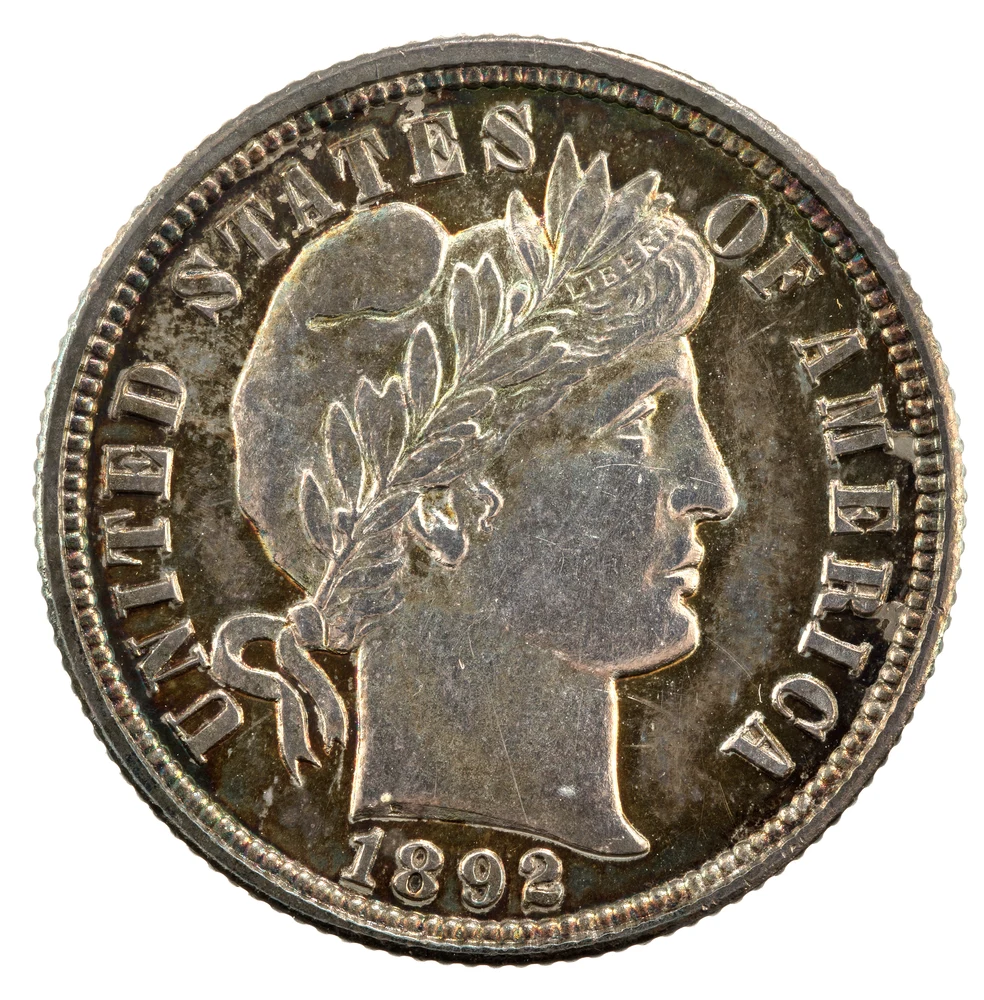
Liberty faces right, wearing a cap and leafy wreath. UNITED STATES OF AMERICA surrounds the head, with the date below. The Smithsonian representative is dated 1892. The small denomination means the legend and reverse are better identifiers than portrait size in a photograph.
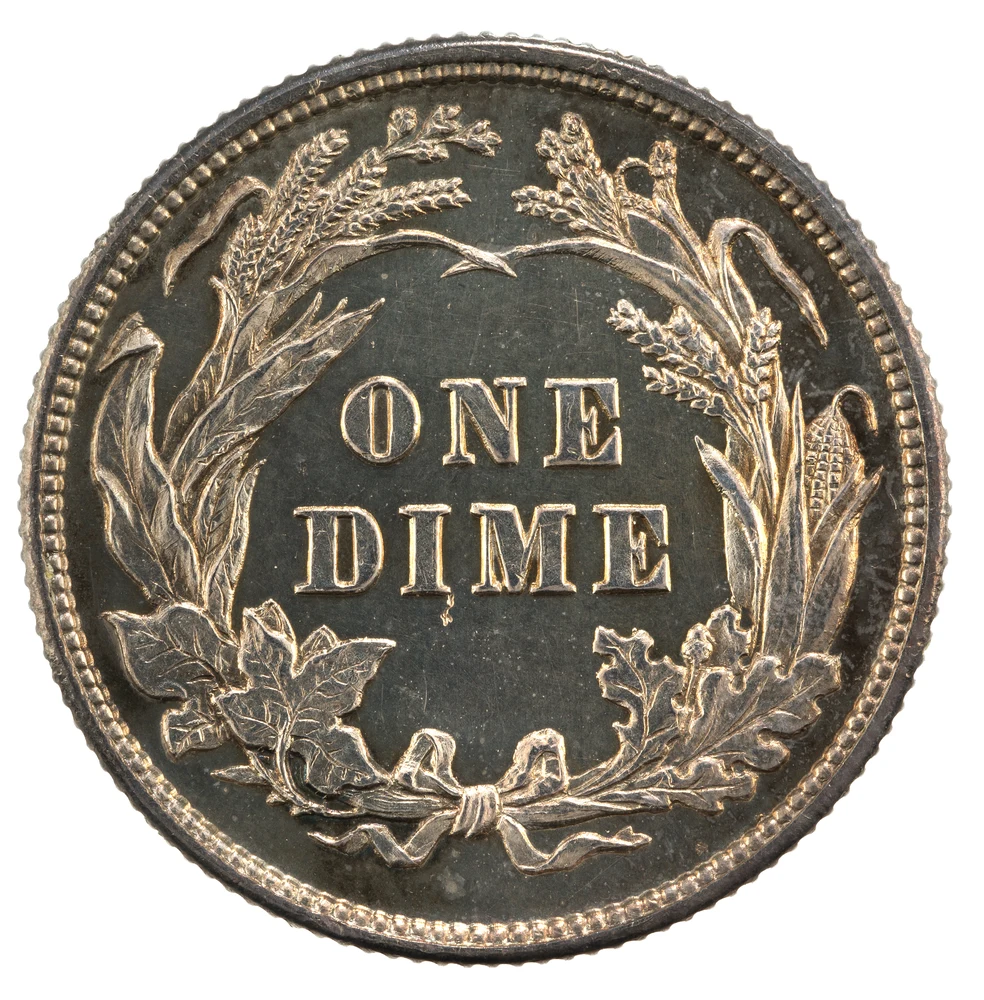
ONE DIME fills the center of a wreath tied at its base. There is no heraldic eagle on this dime reverse. Read that denomination before applying a Barber quarter or half-dollar calculation to a similarly styled obverse.
Charles Barber’s Liberty-head design was used on the dime during 1892–1916. The later Mercury dime has a winged cap and a different reverse. Both original silver dime types share the same nominal metal calculation, but their identification and collector assessment remain distinct.
Look for the right-facing Liberty head and ONE DIME within a wreath, then read the year and any reverse mint mark. Compare the nominal 2.5 g weight and rounded 17.9 mm diameter. The paired museum image has been separated into individual sides without changing the coin design.
The calculation is 2.5 g × 0.9 = 2.25 g fine silver; divide by 31.1034768 to convert grams to troy ounces. The rest of the coin is alloy metal. Quantity totals use nominal content; wear, damage or an incorrect identification can change the content of your actual coins.
The 1892–1916 span describes the design period, not a promise of every mint in every year. Some 1916 dimes have the Barber design and others have the winged-cap Mercury design. Identify the actual design before choosing a profile.
Keep the date and mint mark readable and separate coins with unusual details or exceptional surfaces. Two Barber dimes can contain the same nominal silver yet have different collector appeal. No rarity, grade or price is assigned from this representative image.
Check the wreath, lettering, head, date, reeded edge, mass and diameter together. Do not polish away old surfaces or scratch a coin to test its metal. Small denominations can still merit professional review when identification or authenticity is uncertain.
List these as Barber dimes rather than unclassified old silver coins. Photograph both sides of unusual pieces and include quantities by date where practical. Keep any grading holders; the appraisal request should preserve their details.
The Mint reference supports the historical design or composition distinction described here. The separate specification record documents gross mass, silver fineness and diameter; numerical source claims are recorded individually. Fixed decimal arithmetic calculates silver content without copying a reference site’s prices. No approved live silver-price feed is configured, so dollar melt values remain unavailable. Photo identities and reuse rights are reviewed separately.
A nominal 2.5 g Barber dime at .900 fineness contains 2.25 g fine silver, approximately 0.072339 troy oz.
No. Barber and Mercury designs both occur in 1916. The Barber reverse reads ONE DIME inside a wreath; the Mercury reverse shows fasces and an olive branch.
Content maintained by CashForCoins. Last substantive record update: 2026-10-10. Report a specification or attribution issue through our contact page.
Photo credits and rights on the linked coin profile.
United States • 90% silver, 10% copper
Issue years: 1892–1916
Fine silver: 0.180848 troy oz
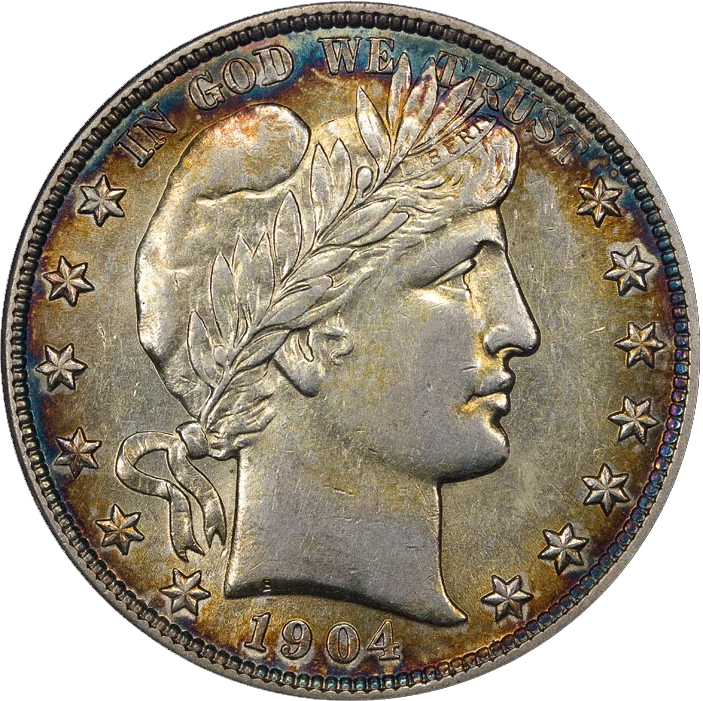
Photo credits and rights on the linked coin profile.
United States • 90% silver, 10% copper
Issue years: 1892–1915
Fine silver: 0.361696 troy oz
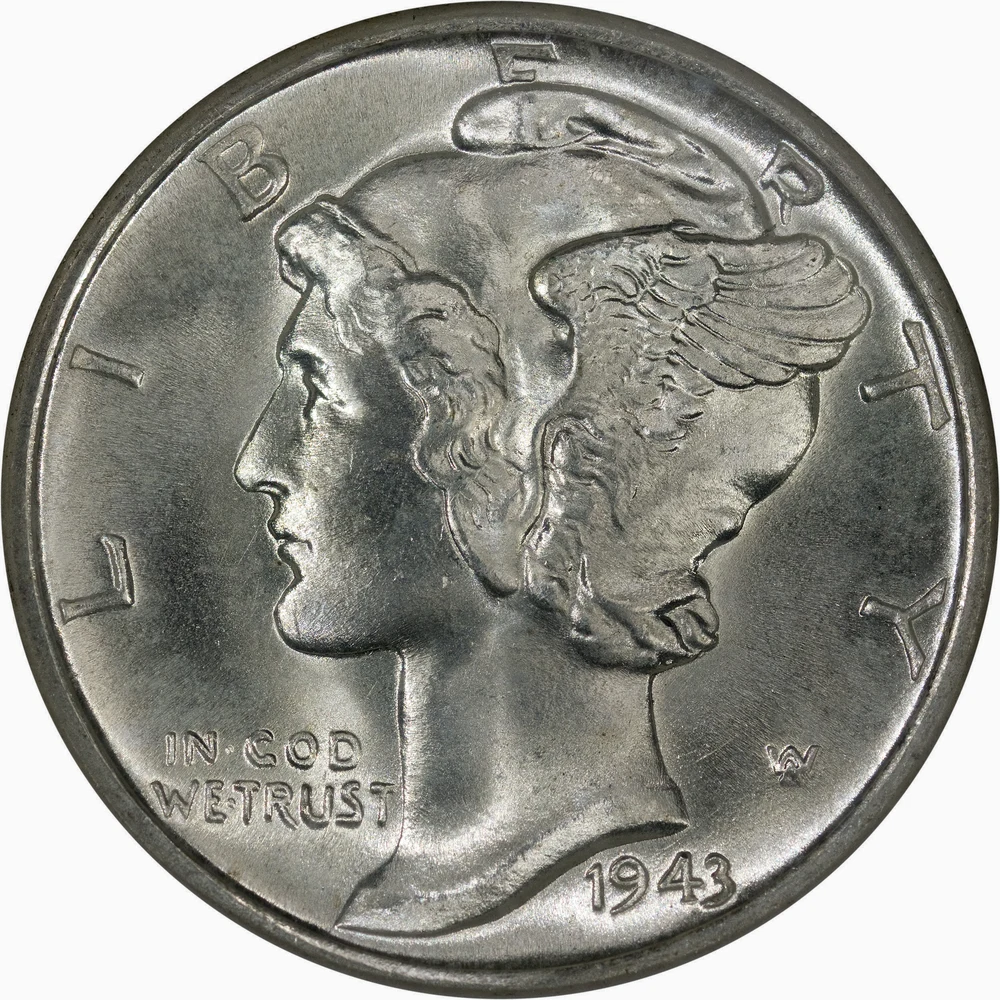
Photo credits and rights on the linked coin profile.
United States • 90% silver, 10% copper
Issue years: 1916–1931, 1934–1945
Fine silver: 0.072339 troy oz
Photographs can help identify your coin. An appraisal may consider authenticity, condition and collector demand as well as metal content.
Request a photo appraisal View current silver coin buying information
