
.jpg)
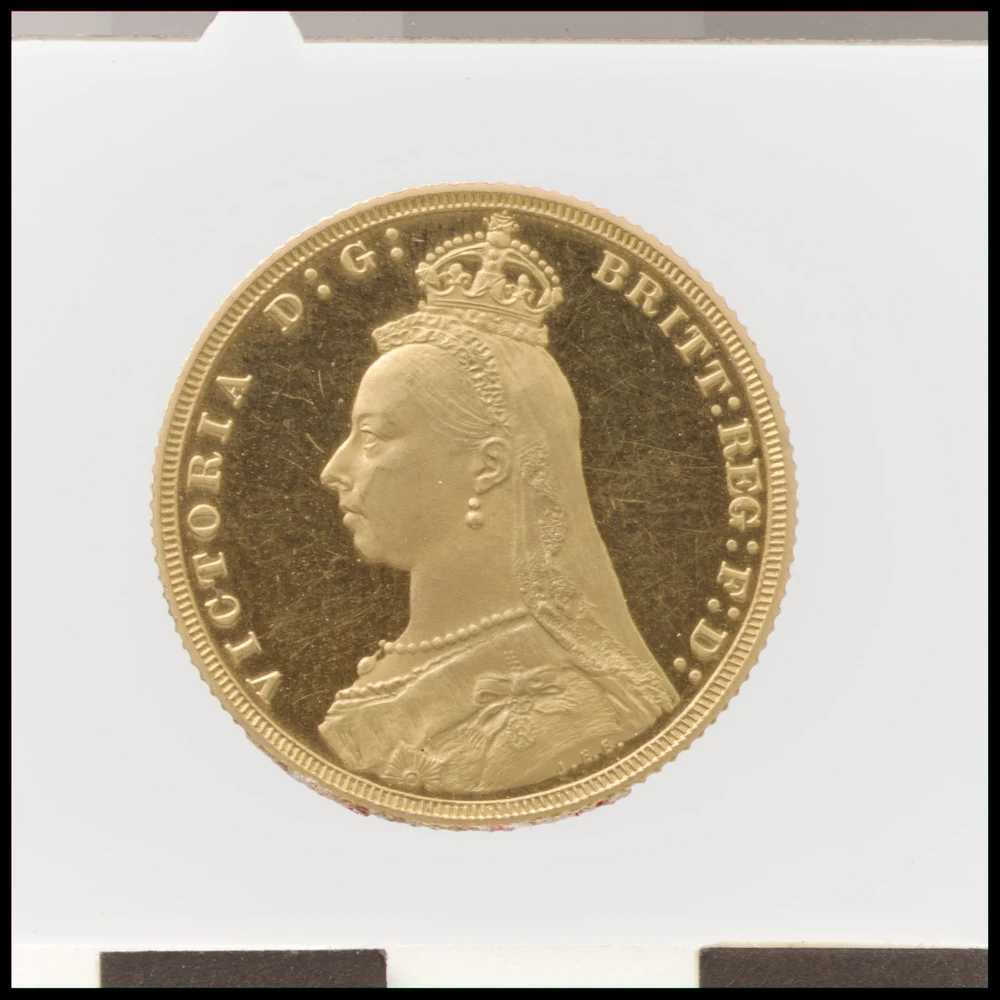
Victoria Jubilee Head Gold Sovereign
Photo credits and rights on the linked coin profile.
United Kingdom • 22-carat gold: eleven-twelfths gold and one-twelfth alloy metal
Issue years: 1887–1893
Fine gold: 0.235420 troy oz
United Kingdom • 1 pound sterling
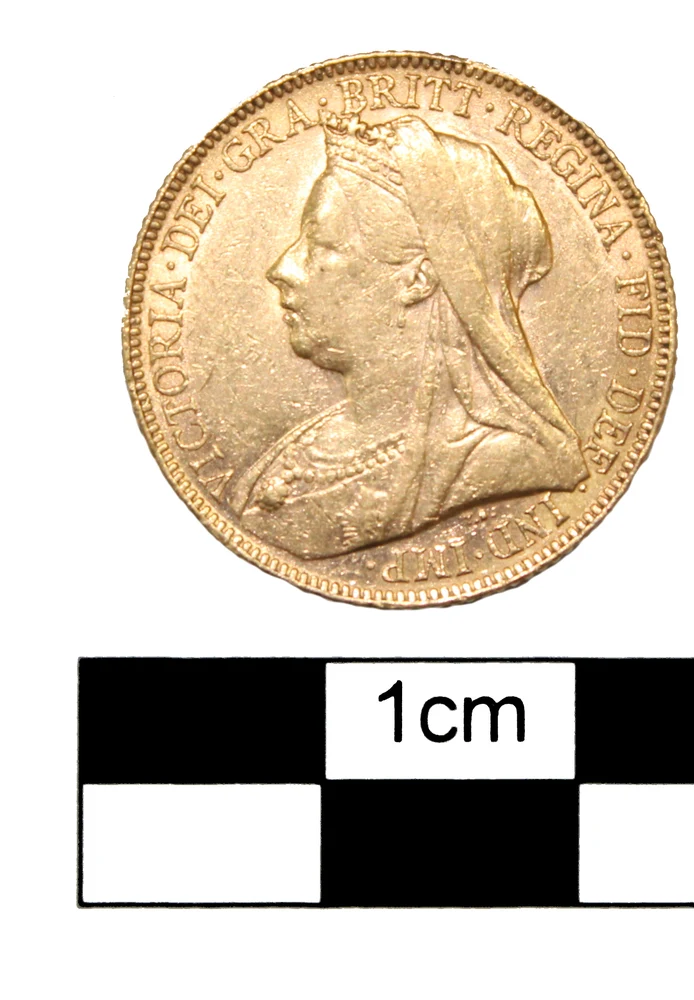
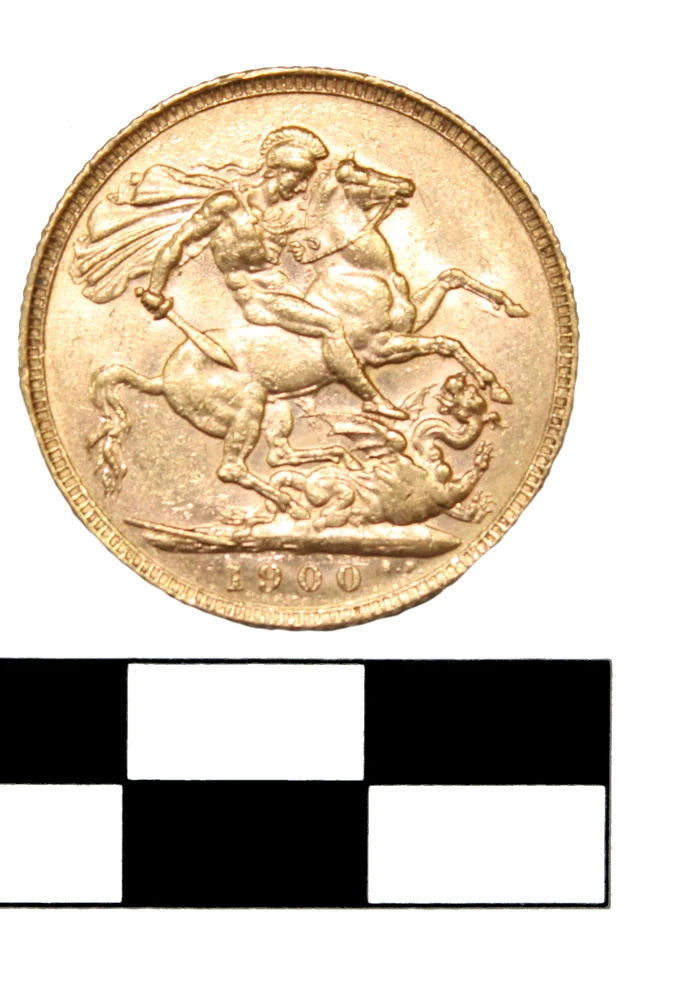
Victoria Veiled Head Gold Sovereign uses the 22-carat sovereign standard, eleven-twelfths gold. At nominal standard mass 7.98805 g, fine gold is approximately 7.322379 g or 0.235420 troy oz. This is the full sovereign carrying Victoria’s final veiled portrait. The representative paired photograph is a 1900 coin recorded by the Portable Antiquities Scheme. Its archaeological findspot in Pembrokeshire is not a mint attribution, and its reported worn weight is not substituted for the nominal standard.
When a fresh spot bid is available, melt values use fine-metal content × spot bid. CashForCoins guide buying offers use the separately configured percentage for each metal. Selected rare/numismatic coins require an appraisal. Dollar amounts remain unavailable when a fresh quote or buying percentage is missing.
These veiled-head dates combine London and Australian branches; availability by mint varies. Australian coins supply the 1897 issue. Jubilee and veiled portraits coexist in 1893.
Formula: specified fine-metal troy ounces × quantity. Dollar melt value additionally requires an approved current metal price.
Victoria faces left wearing a crown and veil, with drapery visible below the neck. Thomas Brock’s mature portrait is visibly distinct from Wyon’s young head and Boehm’s Jubilee portrait. Identify the actual head rather than assigning the type from a seller’s generic Victoria label.
St George rides over the dragon on the reference reverse, with 1900 below the ground line and the designer initials nearby. The archaeological scale is part of the original photograph and remains visible. It documents that specimen; it is not a promise that an unmeasured customer coin has the same diameter.
The Royal Mint places the change from the Jubilee portrait to Brock’s veiled design in 1893 and the end of this Victorian group in 1901. The design transition changes identification, while ordinary full-sovereign issues retain the denomination’s 22-carat gold standard.
Match the crown, long veil and older portrait, then the St George reverse and complete date. Check the full-denomination reference diameter of 22.05 mm and nominal 7.98805 g mass. A veiled-head half sovereign is a separate denomination; the portrait alone cannot justify the full-sovereign calculator choice.
The calculation is 7.98805 g × 11 ÷ 12 = approximately 7.322379 g fine gold. Divide that result by 31.1034768 to obtain approximately 0.235420 troy oz. Eleven-twelfths is the 22/24 carat fraction; the database stores a rounded decimal fraction and a fine-weight override calculated from the rational standard. The remainder is alloy metal, not extra gold. This is nominal content, not an assay of a worn or mounted specimen.
Use 1893–1901 as the standard type endpoints. Read any mint mark and record the actual date rather than assuming all Victorian sovereigns have one portrait or reverse. Patterns, replicas and nonstandard weights are outside this composition record.
Condition, date and mint may create collector interest beyond nominal gold content. Archaeological surface wear in this representative photograph is not a grade assigned to your coin. Keep any find documentation, collection labels and holders with the actual specimen.
Compare the portrait, veil, horse, date, lettering, measured diameter and mass together. A reported 7.9 g excavated example illustrates why actual worn mass can differ from the legal nominal standard. That single specimen is not a new fineness specification or evidence that an unrelated coin is genuine.
Supply both faces and the date and mint mark for each Victorian group. Disclose mounting, clipping or substantial wear. A calculator quantity uses nominal fine gold, while an evaluation of the actual coins can consider condition, authenticity and collectible interest.
The original 1870 schedule records the historical denomination standard; the 1971 schedule gives the same metric standard and eleven-twelfths gold fraction. The issuer’s coin pages use shorter display weights, which are retained as rounded references rather than substituted into the standard calculation. Historical legislation is cited for specifications, not current legal or tax advice. Design and date sources are recorded separately from photograph rights. No approved live gold-price feed is configured, so dollar melt values remain unavailable. Collector prices and buyer offers require separate evaluation.
No. The Portable Antiquities Scheme location records where the reference specimen was found. A mint attribution must come from coin markings and an issue reference.
No. The individual reported mass describes that specimen. This guide calculates nominal content from the documented full-sovereign standard and makes no assay claim about a worn coin.
Content maintained by CashForCoins. Last substantive record update: 2026-10-10. Report a specification or attribution issue through our contact page.
Photo credits and rights on the linked coin profile.
United Kingdom • 22-carat gold: eleven-twelfths gold and one-twelfth alloy metal
Issue years: 1887–1893
Fine gold: 0.235420 troy oz
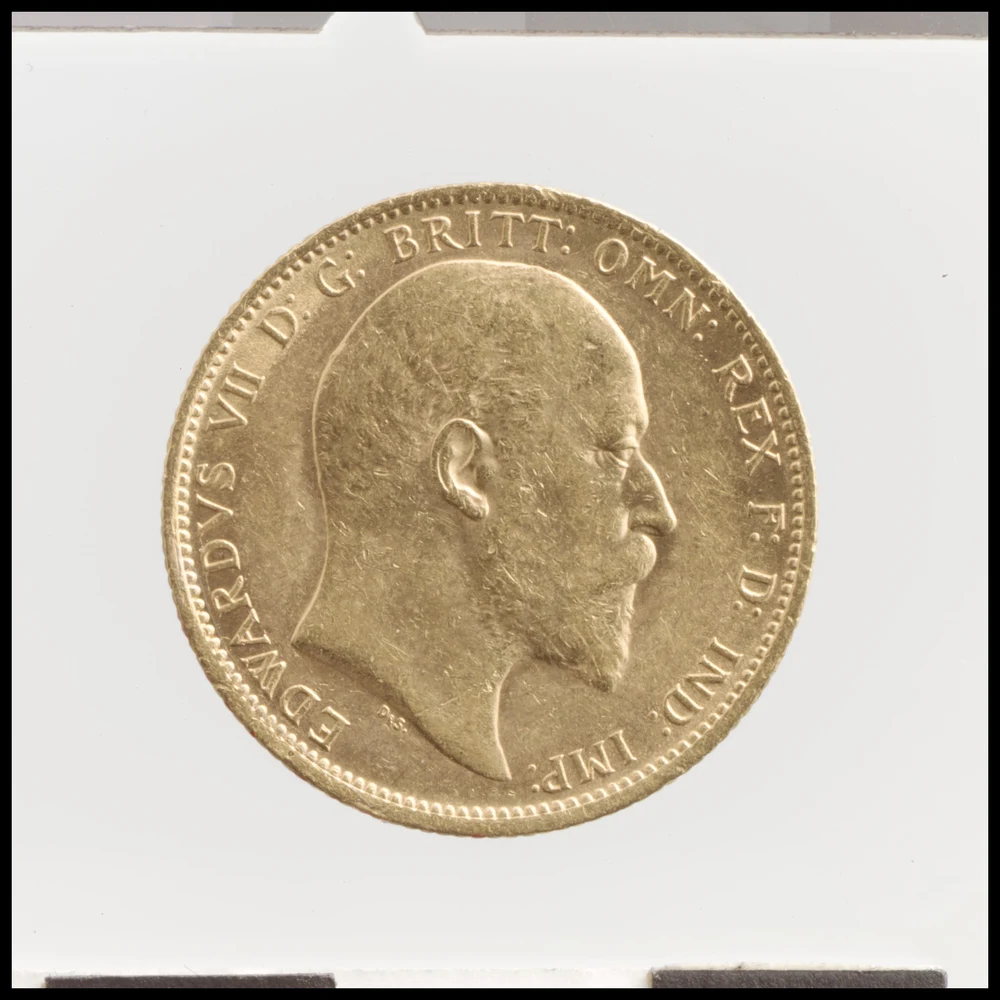
Photo credits and rights on the linked coin profile.
United Kingdom • 22-carat gold: eleven-twelfths gold and one-twelfth alloy metal
Issue years: 1902–1910
Fine gold: 0.235420 troy oz
Photographs can help identify your coin. An appraisal may consider authenticity, condition and collector demand as well as metal content.
Request a photo appraisal View current gold coin buying information
