


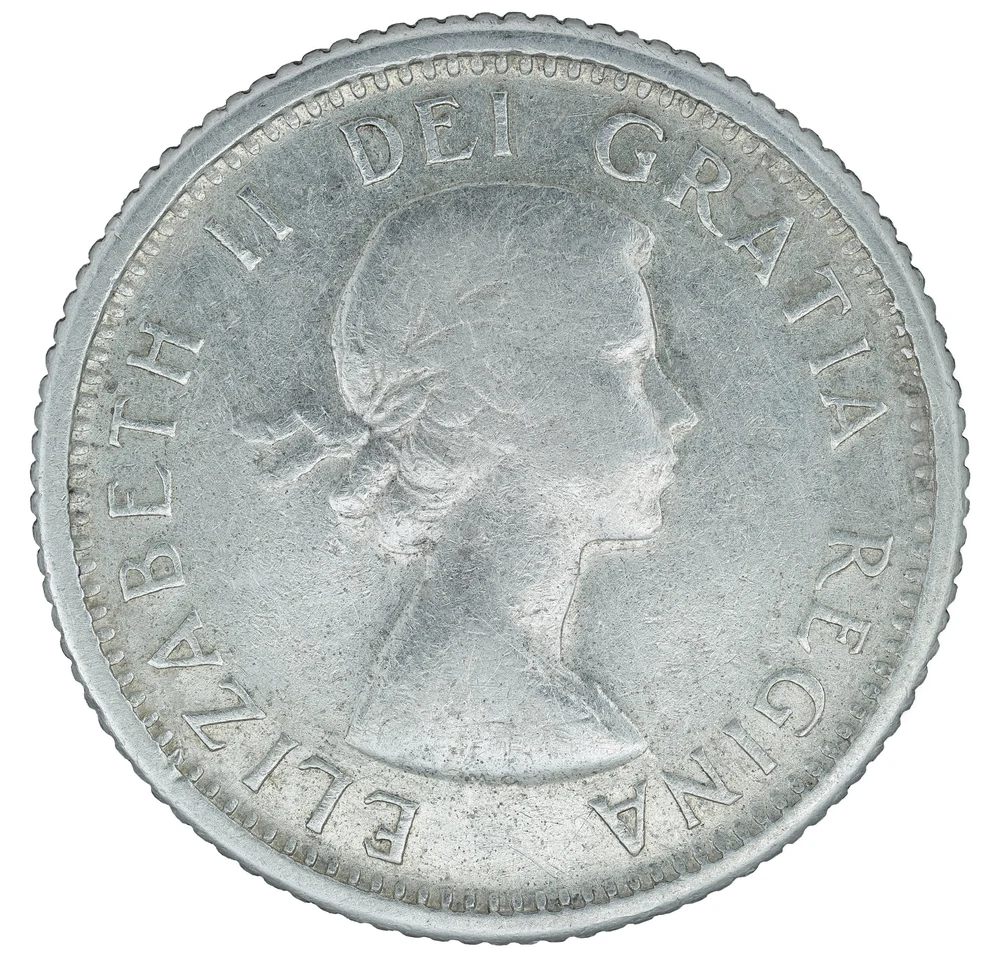
Canadian Dime — 80% Silver
Photo credits and rights on the linked coin profile.
Canada • 80.0% silver; balance copper
Issue years: 1920–1921, 1928–1967
Fine silver: 0.060001 troy oz
Canada • 50 Canadian cents
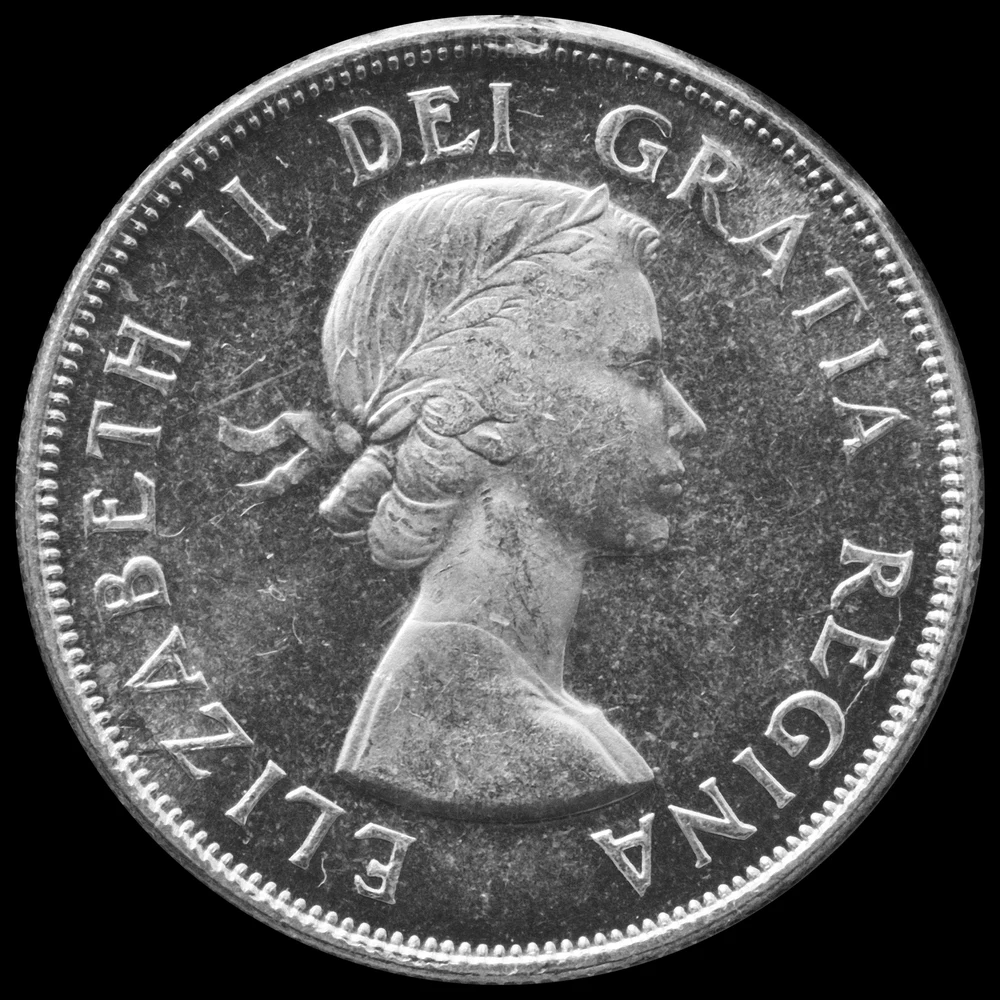
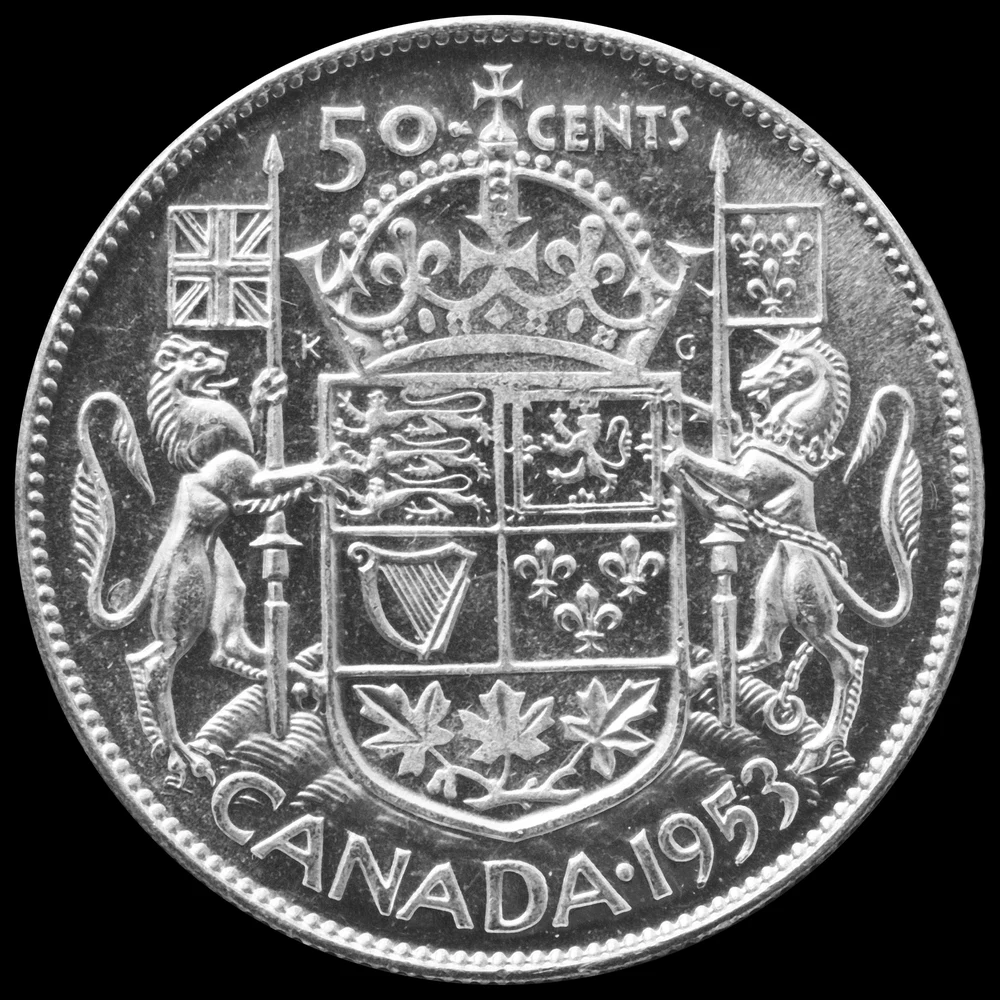
Canadian Half Dollar — .800 Silver contains 0.3 troy oz of reference fine silver per correctly identified coin, following the matching reference specification. Reported gross mass is 11.6638 g and silver fineness is 0.800. This entry covers the issuer’s 1920–1967 .800 silver circulation half dollar. The actual photographs show a 1953 Elizabeth II coin, not the later nickel half dollar.
When a fresh spot bid is available, melt values use fine-metal content × spot bid. CashForCoins guide buying offers use the separately configured percentage for each metal. Selected rare/numismatic coins require an appraisal. Dollar amounts remain unavailable when a fresh quote or buying percentage is missing.
The Mint reports no half-dollar production in 1922–1928, 1930, 1933 or 1935. Later nickel issues are outside this silver profile.
Formula: specified fine-metal troy ounces × quantity. Dollar melt value additionally requires an approved current metal price.
The 1953 reference shows Elizabeth II’s laureate portrait facing right. Read the complete Canadian royal legend alongside the reverse date. Other rulers appear within the broader .800 circulation period, so this representative portrait is not a claim that all 1920–1967 halves look identical.
The illustrated reverse has Canada’s crowned arms with lion and unicorn supporters, 50 CENTS above and CANADA 1953 below. This is the earlier arms treatment; the issuer records an updated coat of arms from 1959 and a howling-wolf centennial design in 1967.
The Royal Canadian Mint lists .800 silver and .200 copper for 1920–1967 half dollars. Its technical history separately identifies .925 silver for earlier 1908–1919 coins and nickel from 1968. The half-dollar boundary is not the same as the dime and quarter’s mixed silver transitions.
Read 50 CENTS and the complete date before counting. The reference’s matching KM53 record gives 11.6638 g and .3 oz ASW, with 29.72 mm diameter. The issuer’s 11.66 g display is a shorter nominal presentation of the same circulation family, not evidence that an individual coin has been weighed.
Three matching coins total 0.9 fine silver troy oz on this reference basis. Separately multiplying 11.6638 g by 0.800 gives 9.3310400 g of nominal silver, or approximately 0.300000 troy oz. The calculator uses the reported reference ASW; it does not silently replace that amount with extra decimal places derived from rounded inputs. Wear, mounts and foreign material require separate examination.
The dates covered are 1920–1967, with gaps in issuance and changes in portrait and reverse. The 1953 shoulder-strap and date-size distinctions recorded by the reference merit individual attribution. The 1967 wolf belongs to the issuer’s .800 half-dollar specification, while later commemorative recreations of the wolf require their own actual year and alloy.
Set aside unusual dates, clear varieties and retained mint packaging for individual review. Rarity, surface preservation and an accurately attributed 1953 variety are separate from the .3 oz silver basis. Do not extrapolate a value from a merely similar royal portrait.
Identify both designs, the complete denomination, actual date and mint details before using the quantity field. Preserve the surface and original holder; do not clean, scratch, bend or acid-test a collectible coin. A plausible weight or resemblance to the reference photographs cannot establish authenticity. Record the rim, scale reading and readable inscriptions for an individual review, and keep uncertain pieces outside the calculated lot.
Sort this identified type separately from coins with a similar name but another denomination or alloy. Photograph both sides and preserve packaging, certificates and prior provenance. Count the matching pieces and use the existing quote form, which carries the selected coin context. Reference silver content and a collector premium are different parts of appraisal; the calculator does not create an offer for an unseen specimen.
The reference KM53 supplies the matching .800, 11.6638 g and .3 oz ASW. The issuer establishes the broader circulation-period boundary and displays mass rounded to 11.66 g. The reference’s reported .3 oz, rather than extra inferred digits, governs the calculator. The reference governs uncertain metal specifications under the owner-selected source policy. Face identification and photograph reuse rights were reviewed separately. These figures describe reference coinage, not a first-party assay or condition grade. No approved live market feed is connected, so the calculator reports metal quantities without inventing dollar prices.
No. The issuer lists nickel half dollars from 1968. This .800 silver circulation entry ends with 1967.
The reference’s .3 oz ASW per identified coin gives .9 fine silver troy oz for three.
The issuer includes 1967 half dollars in the .800 silver period. Modern reproductions of the design are separate issues and require their own identification.
Content maintained by CashForCoins. Last substantive record update: 2026-10-11. Report a specification or attribution issue through our contact page.
Photo credits and rights on the linked coin profile.
Canada • 80.0% silver; balance copper
Issue years: 1920–1921, 1928–1967
Fine silver: 0.060001 troy oz
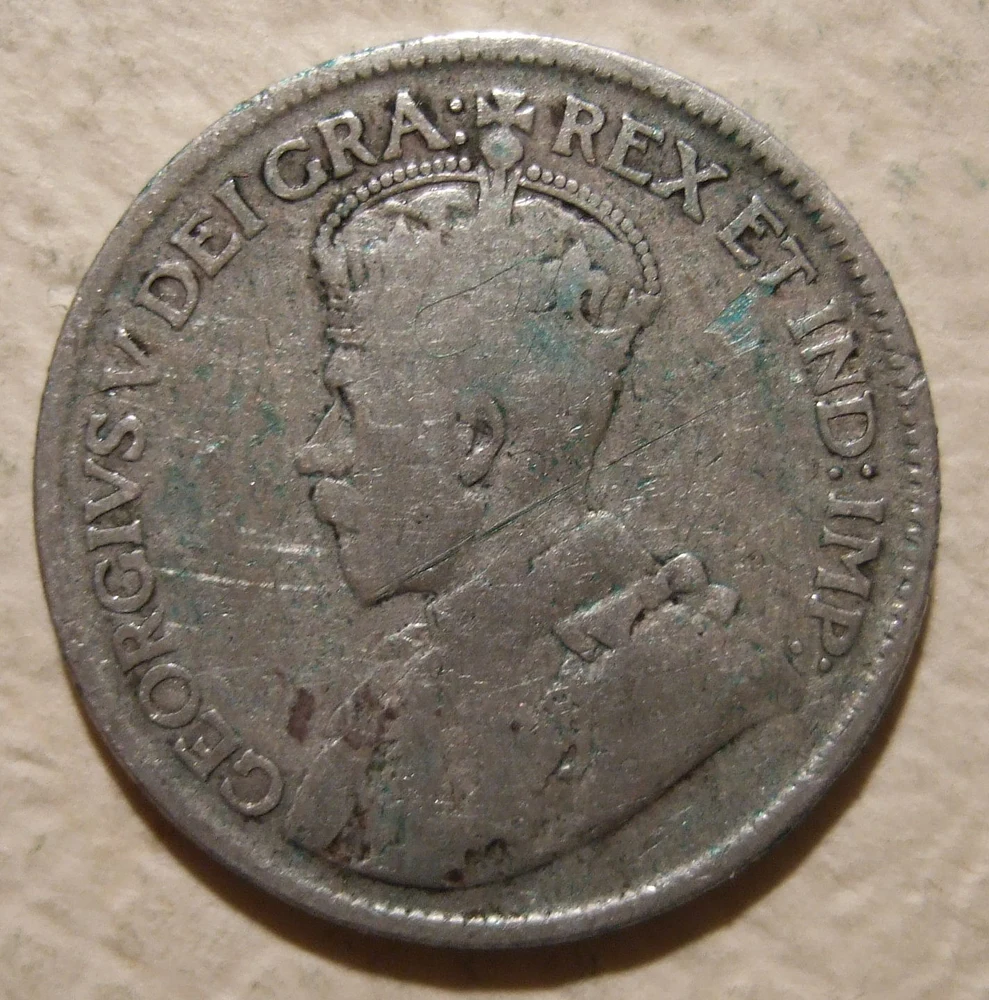
Photo credits and rights on the linked coin profile.
Canada • 80.0% silver; balance copper
Issue years: 1920–1921, 1927–1967
Fine silver: 0.150000 troy oz
Photographs can help identify your coin. An appraisal may consider authenticity, condition and collector demand as well as metal content.
Request a photo appraisal View current silver coin buying information
