


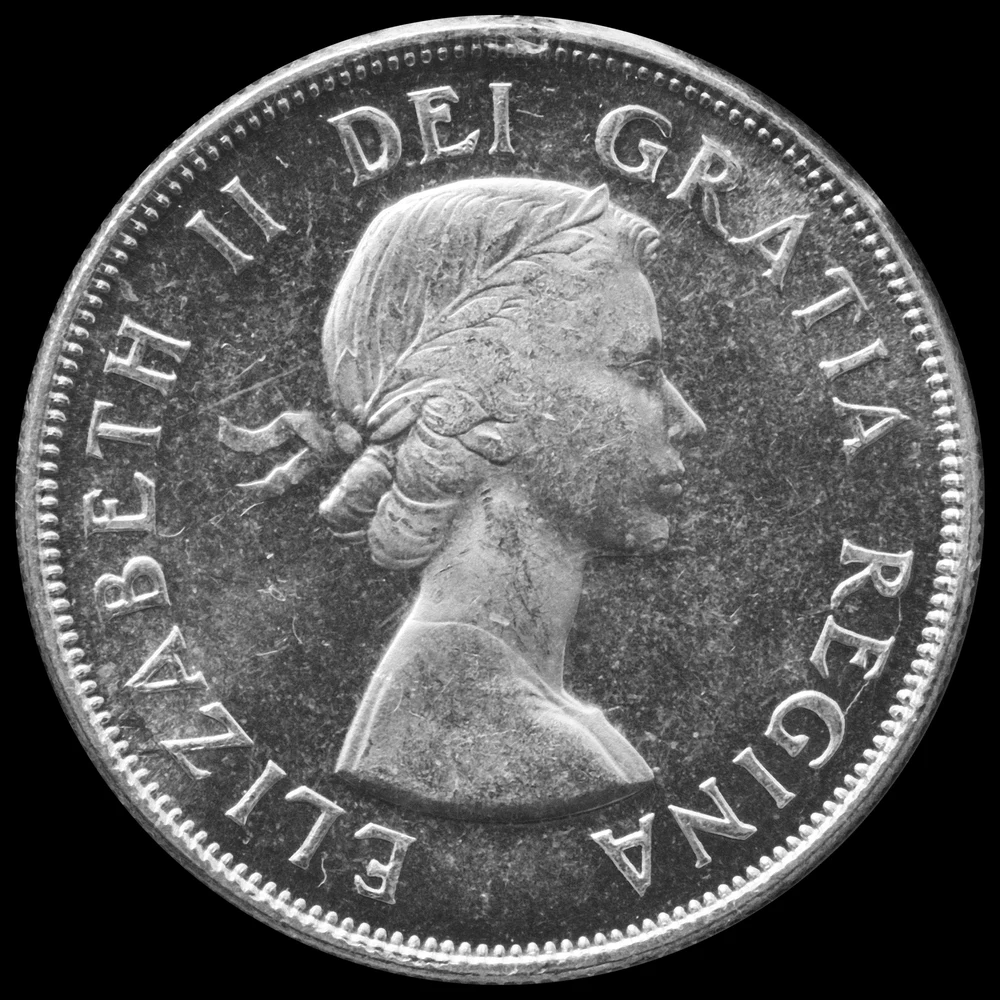
Canadian Half Dollar — .800 Silver
Photo credits and rights on the linked coin profile.
Canada • 80.000% silver; balance copper
Issue years: 1920–1921, 1929, 1931–1932, 1934, 1936–1967
Fine silver: 0.300000 troy oz
United Kingdom • 1 British shilling
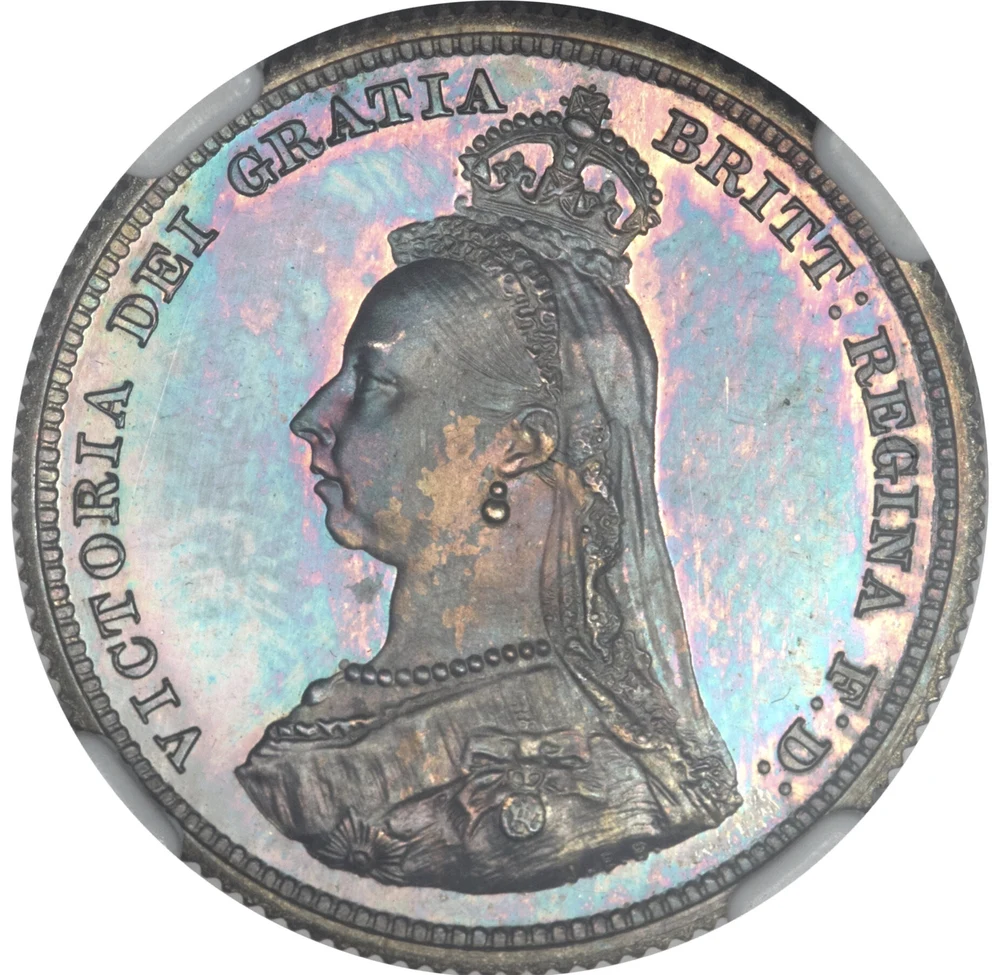
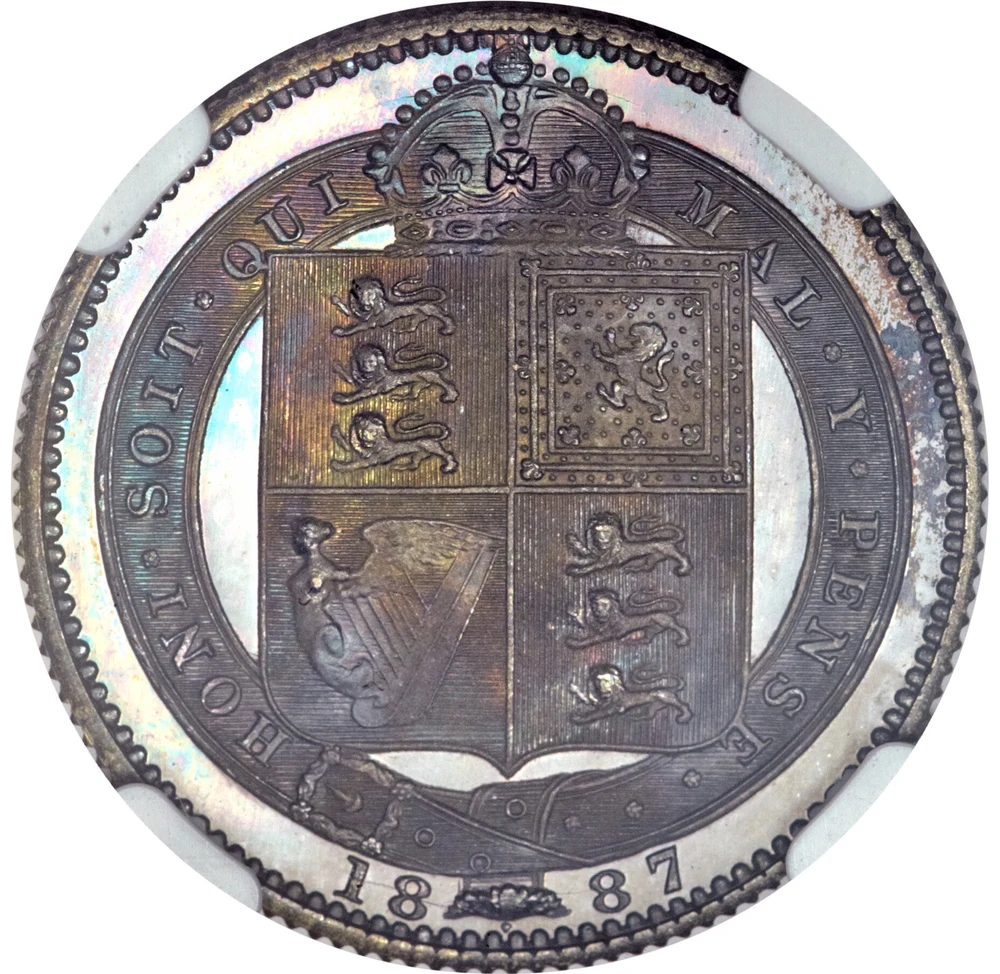
British Silver Shilling — 1816–1919 contains 0.1682 troy oz of reference fine silver per correctly identified coin, following the matching reference specification. Reported gross mass is 5.6552 g and silver fineness is 0.925. This entry is the milled sterling-silver period listed by the reference. The genuine photographs illustrate an 1887 Victoria Jubilee-head proof in a holder, not the later .500 or cupro-nickel shilling.
When a fresh spot bid is available, melt values use fine-metal content × spot bid. CashForCoins guide buying offers use the separately configured percentage for each metal. Selected rare/numismatic coins require an appraisal. Dollar amounts remain unavailable when a fresh quote or buying percentage is missing.
These catalogued sterling shilling dates include proofs, notably 1831. Monarch and reverse types differ within the family. Later .500 silver shillings starting in 1920 and copper-nickel issues are separate composition profiles. Patterns and tokens require their own attribution.
Formula: specified fine-metal troy ounces × quantity. Dollar melt value additionally requires an approved current metal price.
The illustrated 1887 coin shows Victoria facing left with a small crown and veil. Read the full royal legend. Her portrait is a representative issue within a long milled silver period that also includes other monarchs and portrait styles; it does not redefine the entire range as Jubilee-head coinage.
Crowned royal arms appear within an order chain, with the split date 18–87 below. Compare the shield and rim legend together. Earlier and later shillings can instead show a denomination within a wreath or a lion design; their actual ruler and date must remain with the appraisal record.
The reference’s named world-silver table separates the .925 milled shilling of 1816–1919 from the .500 issues of 1920–1946. The earlier hammered shilling family also has different standards. The name shilling alone is therefore insufficient to choose this calculator entry.
Confirm a British milled shilling dated within 1816–1919 and match its actual ruler/design. The named reference table gives 5.6552 g gross and .1682 oz ASW. An original Victorian auction catalog reports 23.5 mm for its described 1867 and 1885 examples; this is a supporting dimensional reference rather than a customer measurement or an asserted tolerance for every die.
Three matching coins total 0.5046 fine silver troy oz on this reference basis. Separately multiplying 5.6552 g by 0.925 gives 5.2310600 g of nominal silver, or approximately 0.168182 troy oz. The calculator uses the reported reference ASW; it does not silently replace that amount with extra decimal places derived from rounded inputs. Wear, mounts and foreign material require separate examination.
The covered period has multiple portrait and reverse types, including the illustrated 1887 Jubilee issue. The reference’s KM761 entry distinguishes the proof and ordinary dated versions. Do not apply .925 to a 1920 or later shilling, and do not infer a proof finish for a customer’s piece from the reference holder photograph.
Keep the actual year, ruler, finish, surface condition and any holder record together. The proof illustration is a design reference, not an assigned grade. Rare dates, original toning and a verified proof attribution can affect appraisal independently of the sterling-silver quantity.
Identify both designs, the complete denomination, actual date and mint details before using the quantity field. Preserve the surface and original holder; do not clean, scratch, bend or acid-test a collectible coin. A plausible weight or resemblance to the reference photographs cannot establish authenticity. Record the rim, scale reading and readable inscriptions for an individual review, and keep uncertain pieces outside the calculated lot.
Sort this identified type separately from coins with a similar name but another denomination or alloy. Photograph both sides and preserve packaging, certificates and prior provenance. Count the matching pieces and use the existing quote form, which carries the selected coin context. Reference silver content and a collector premium are different parts of appraisal; the calculator does not create an offer for an unseen specimen.
The named reference world silver melt row controls 1816–1919, .925, 5.6552 g and .1682 oz ASW. A separate original auction catalog supports the 23.5 mm dimensional reference for its Victorian examples. That reported dimension is not a measurement of this photographed proof or a guarantee for an unexamined coin. The reference governs uncertain metal specifications under the owner-selected source policy. Face identification and photograph reuse rights were reviewed separately. These figures describe reference coinage, not a first-party assay or condition grade. No approved live market feed is connected, so the calculator reports metal quantities without inventing dollar prices.
No. This entry covers the reference’s 1816–1919 milled .925 period. Later .500 and cupro-nickel issues require other identification.
The reference .1682 oz ASW basis gives .5046 fine silver troy oz for three.
No. It illustrates a real 1887 design. Your coin’s finish, date and authenticity need individual review.
Content maintained by CashForCoins. Last substantive record update: 2026-10-11. Report a specification or attribution issue through our contact page.
Photo credits and rights on the linked coin profile.
Canada • 80.000% silver; balance copper
Issue years: 1920–1921, 1929, 1931–1932, 1934, 1936–1967
Fine silver: 0.300000 troy oz
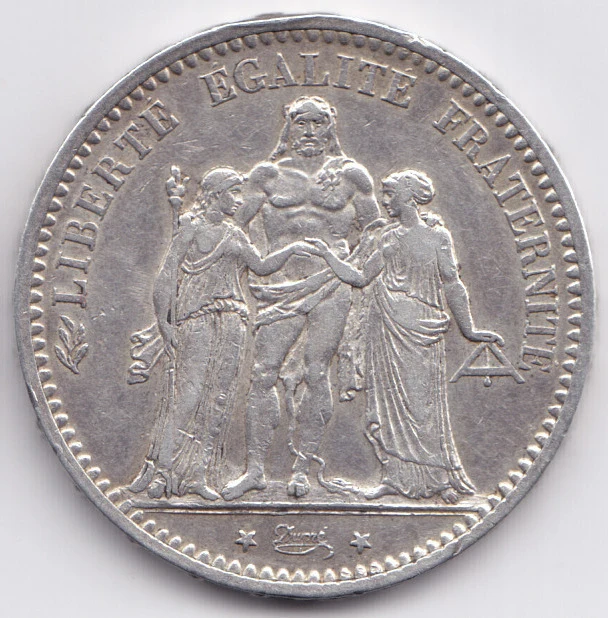
Photo credits and rights on the linked coin profile.
France • 90.000% silver; balance copper
Issue years: 1870–1878, 1889 (proof)
Fine silver: 0.723400 troy oz
Photographs can help identify your coin. An appraisal may consider authenticity, condition and collector demand as well as metal content.
Request a photo appraisal View current silver coin buying information
