


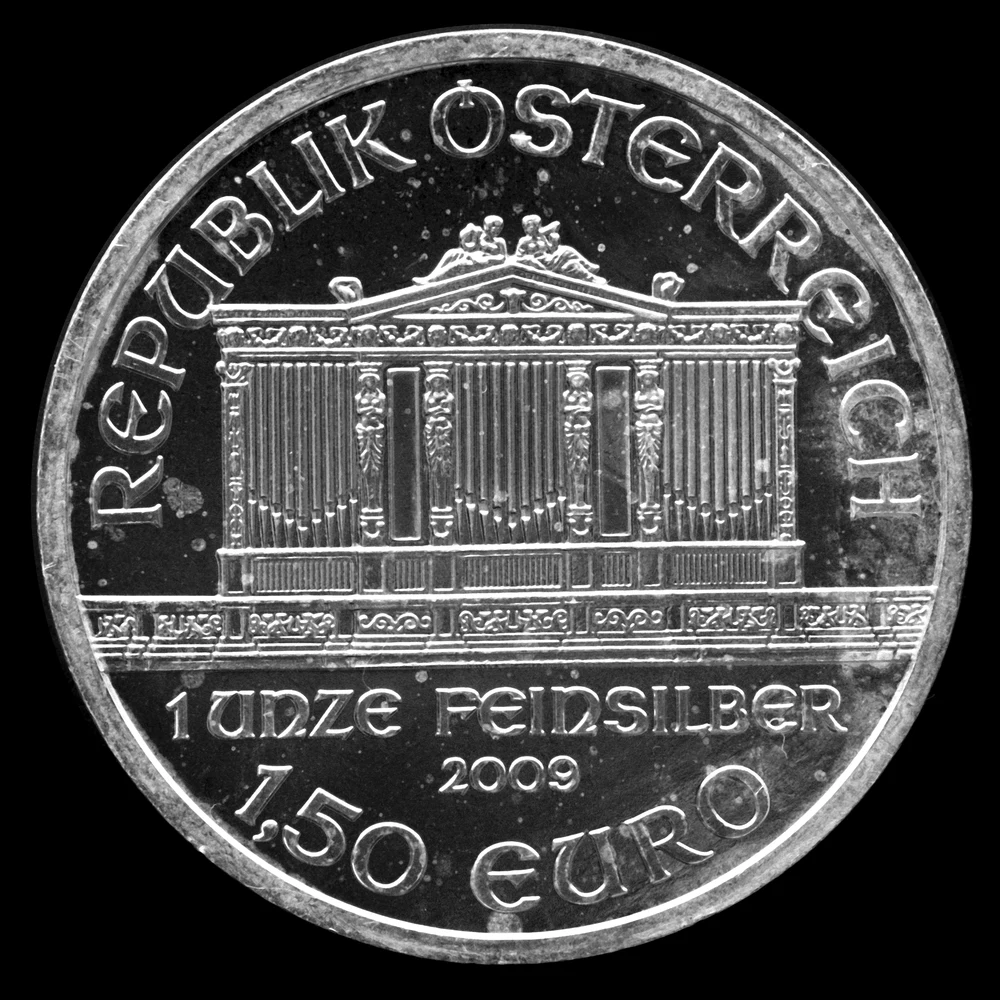
Austrian Silver Philharmonic, One Ounce
Photo credits and rights on the linked coin profile.
Austria • 99.900% silver; balance alloy metal
Series dates: 2008–2026 (continuing)
Fine silver: 0.999000 troy oz
Austria • 100 euro
Austrian Gold Philharmonic, One Ounce is the one-ounce type illustrated here. This reference calculator uses 0.9999 troy oz fine gold per correctly identified coin. Reported gross mass is 31.1035 g and fineness is 0.9999. The photographs show the 2008 100-euro issue. This reference covers the euro-denominated one-ounce type; older schilling denominations require separate date and denomination attribution.
When a fresh spot bid is available, melt values use fine-metal content × spot bid. CashForCoins guide buying offers use the separately configured percentage for each metal. Selected rare/numismatic coins require an appraisal. Dollar amounts remain unavailable when a fresh quote or buying percentage is missing.
This one-ounce gold profile is the 100-euro denomination introduced in 2002. Earlier 2,000-schilling Philharmonics have their own denomination/date scope. Other sizes and metals require separate specifications; future releases are not certified.
Formula: specified fine-metal troy ounces × quantity. Dollar melt value additionally requires an approved current metal price.
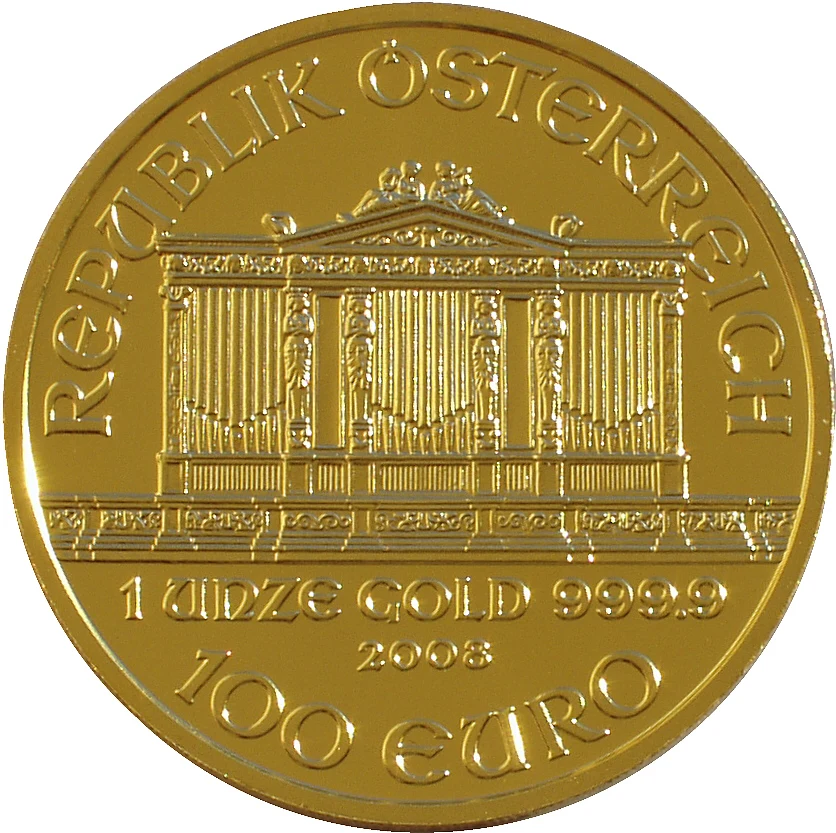
The concert-hall organ appears beneath REPUBLIK ÖSTERREICH. The reference coin reads 1 UNZE GOLD 999.9, 2008 and 100 EURO. The complete inscription identifies the one-ounce euro gold type. The original photo filename’s numerals are not a coin date; the actual face is visibly 2008.
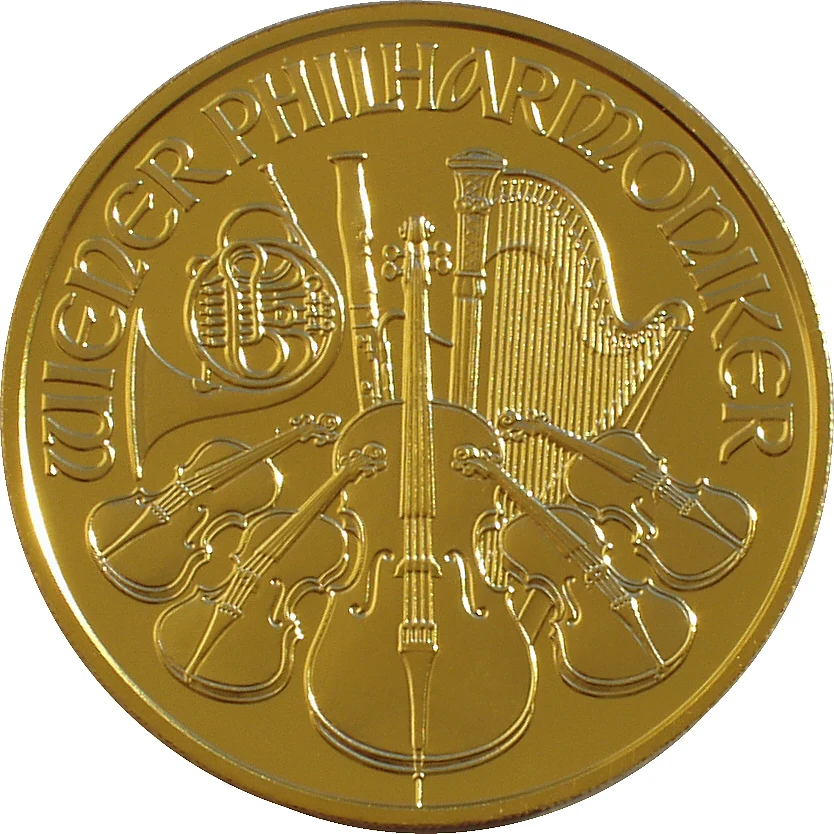
Orchestral instruments appear beneath WIENER PHILHARMONIKER. The same broad design theme appears on other metals and sizes. Match the organ side’s explicit GOLD, ounce inscription and denomination before selecting this profile. Preserve the full instrument group and rim in photographs.
The reference’s named melt-table row identifies the 100-euro one-ounce type from 2002 onward. Earlier Philharmonics expressed their face value in Austrian schillings. This profile does not extend an exact euro-row specification to an unidentified smaller fraction simply because it shares the musical design.
Read 100 EURO and 1 UNZE GOLD 999.9 together with the actual date. The matching reference type gives 37 mm diameter. The named melt table controls the reported mass and AGW here; a type record with more displayed decimals does not automatically take priority over the owner’s selected reference.
Three identified coins total 2.9997 troy oz fine gold on the cited reference basis. Separately multiplying the reported gross mass and fineness gives 31.10038965 g, approximately 0.999901 troy oz. Rounded nominal displays and a mint’s stated fine-ounce content are different records; the source precision note explains this entry’s choice. This calculation does not measure an individual coin or include a collector premium.
The actual photograph is 2008, rather than the misleading file-name numerals. Fractional Philharmonics, silver 1.50-euro pieces and platinum issues must be identified separately. For an earlier schilling coin, retain the visible face value and date for appraisal rather than erasing the difference through a generic one-ounce label.
Preserve packaging and any documented special presentation or condition evidence. A recognizable musical design alone establishes neither grade nor premium. The calculator records reference gold content for the correct full euro denomination; it does not quote a buying price or value an unseen collector variant.
Start with the actual metal inscription and denomination, then compare the complete date and both designs. Photograph the rim and any original packaging. A photograph, matching color or plausible mass alone does not authenticate a coin. Use a suitable scale and caliper without scratching, bending or cleaning the surface; leave an uncertain specimen aside for professional examination. Security details must be assessed against the actual issue year, rather than inferred from a newer reference coin.
Group this one-ounce type separately from smaller fractions, proof sets and similar designs in another metal. Record readable dates and the number of identified coins; keep uncertain pieces out of the quantity total. Preserve original holders and obtain clear photographs of both faces. The existing quote link carries the selected coin context so the lot can be reviewed. Reference metal content, a collectible assessment and a purchase offer are separate steps.
The named reference melt table controls .9999 fineness, 31.1035 g gross and .9999 oz AGW for the one-ounce 100-euro type. The reference’s KM3095 record displays 31.1200 g and 1.0004 oz AGW; those differing displays are recorded rather than silently substituted. The mint’s one-ounce name does not override the specified reference convention. The photographs independently establish a 2008 euro issue. The reference is the owner-selected deciding source for uncertain metal input. A missing table row is not described as a reference specification. Photograph identity, face ordering and reuse rights are reviewed independently. No customer assay, grade or current trading price is inferred. An approved live quote feed is unavailable, so the calculator displays metal quantities without invented dollar amounts.
The owner-selected reference melt row gives .9999 oz AGW for the one-ounce 100-euro type. Three total 2.9997 oz. Differing type-record and issuer displays are documented separately.
No. Related musical designs appear on different metals and denominations. Read GOLD, the ounce inscription and 100 EURO together.
No. The genuine reference photograph visibly reads 2008. Identification follows the actual face rather than the file title.
Content maintained by CashForCoins. Last substantive record update: 2026-10-10. Report a specification or attribution issue through our contact page.
Photo credits and rights on the linked coin profile.
Austria • 99.900% silver; balance alloy metal
Series dates: 2008–2026 (continuing)
Fine silver: 0.999000 troy oz
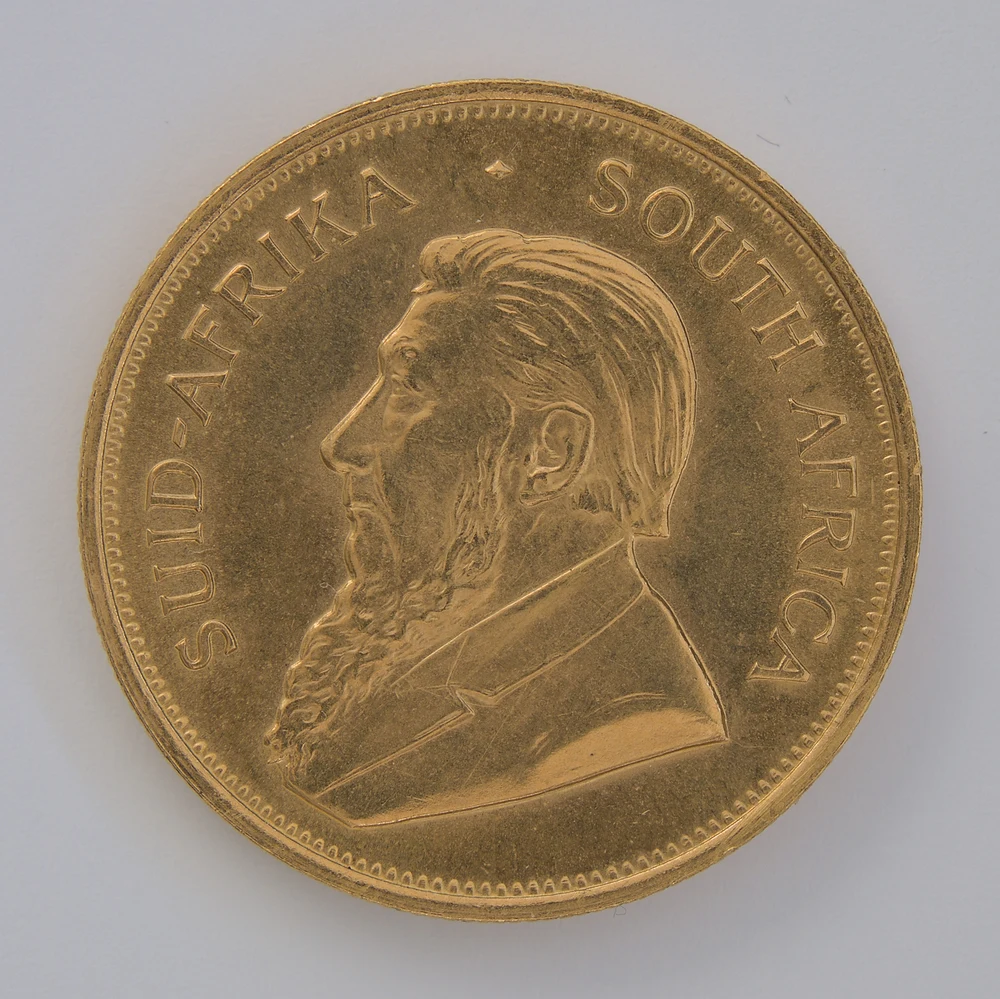
Photo credits and rights on the linked coin profile.
South Africa • 91.700% gold; balance alloy metal
Series dates: 1967–2026 (continuing)
Fine gold: 1.000300 troy oz
Photographs can help identify your coin. An appraisal may consider authenticity, condition and collector demand as well as metal content.
Request a photo appraisal View current gold coin buying information
