
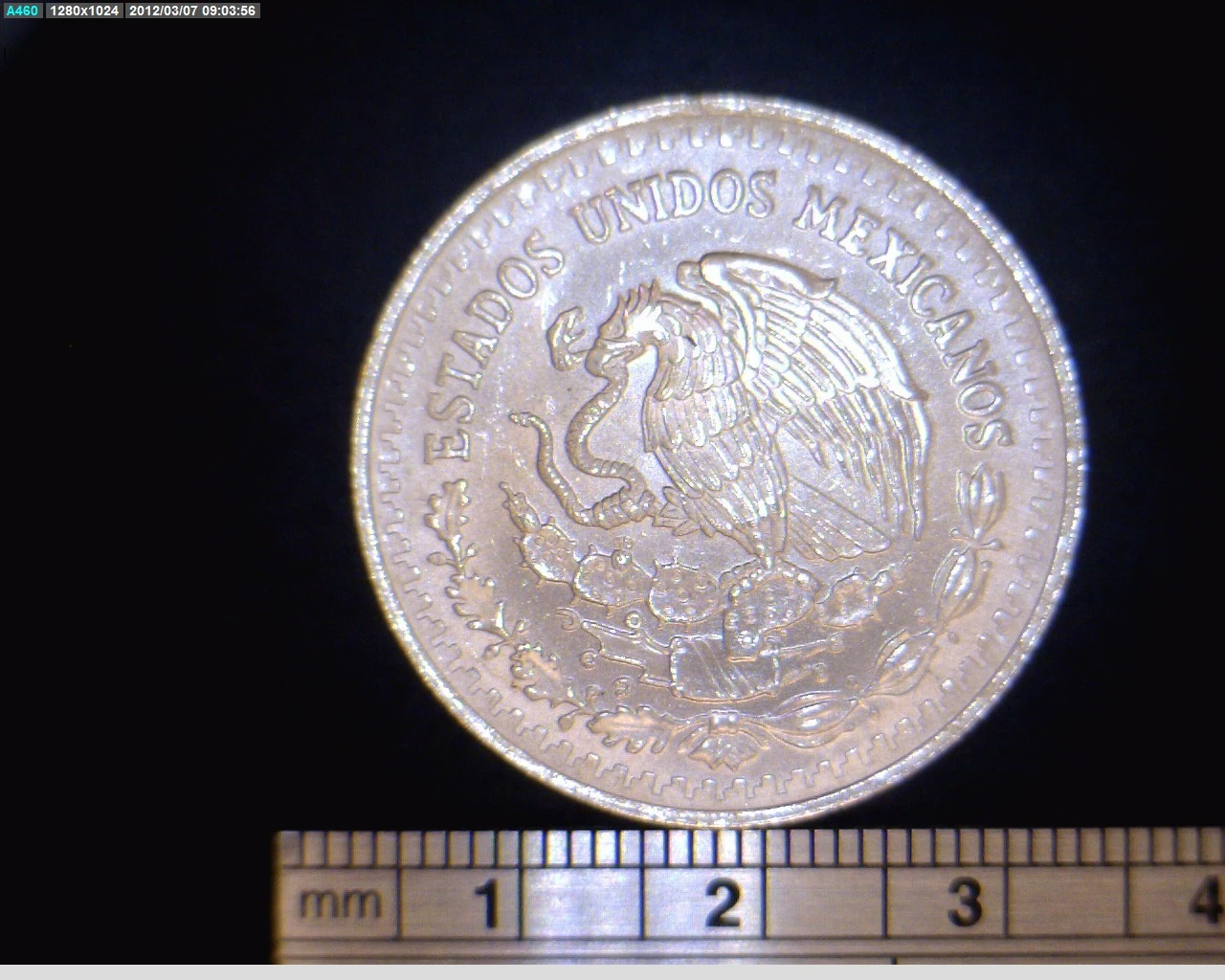
Mexican Silver Libertad Half-Ounce — 1991–1995
Photo credits and rights on the linked coin profile.
Mexico • 99.9% silver; remaining alloy metals not independently verified
Issue years: 1991–1995
Fine silver: 0.499500 troy oz
Mexico • 1 onza (medallic bullion; no peso face value)
The historical Mexican sterling silver Onza Troy contains 1 reference fine silver troy ounce in a nominal 33.625 g piece of .925 silver. Actual issue years are 1949, 1978, 1979 and 1980. Identify the complete coin-press and balance-scale designs, dated type and fineness legends before calculating quantities. A modern .999 silver Libertad belongs to a different physical standard.
When a fresh spot bid is available, melt values use fine-metal content × spot bid. CashForCoins guide buying offers use the separately configured percentage for each metal. Selected rare/numismatic coins require an appraisal. Dollar amounts remain unavailable when a fresh quote or buying percentage is missing.
Actual source-reviewed issue years for this exact denomination, design and metal/weight scope. Overdates, mint combinations and proof availability remain type-specific; specimen photos and measurements do not certify other examples.
Formula: specified fine-metal troy ounces × quantity. Dollar melt value additionally requires an approved current metal price.
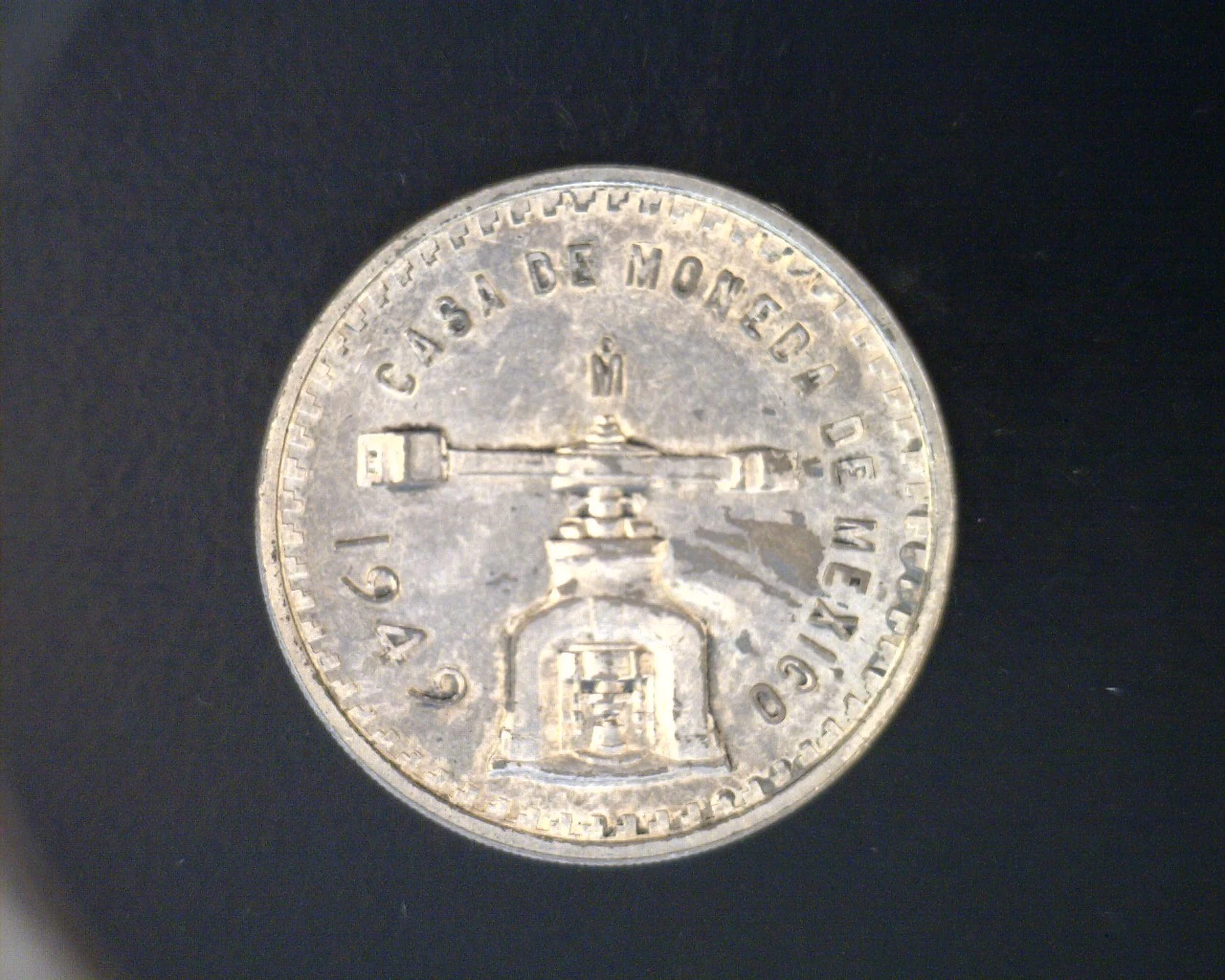
The obverse depicts a coin press surrounded by the mint name CASA DE MONEDA DE MEXICO, with the issue year. Dated references distinguish wide spacing between DE MONEDA for the 1978 Type I and close spacing for the 1978 Type II and the later types. Read the whole legend, numeral shape and spacing when comparing a specimen.
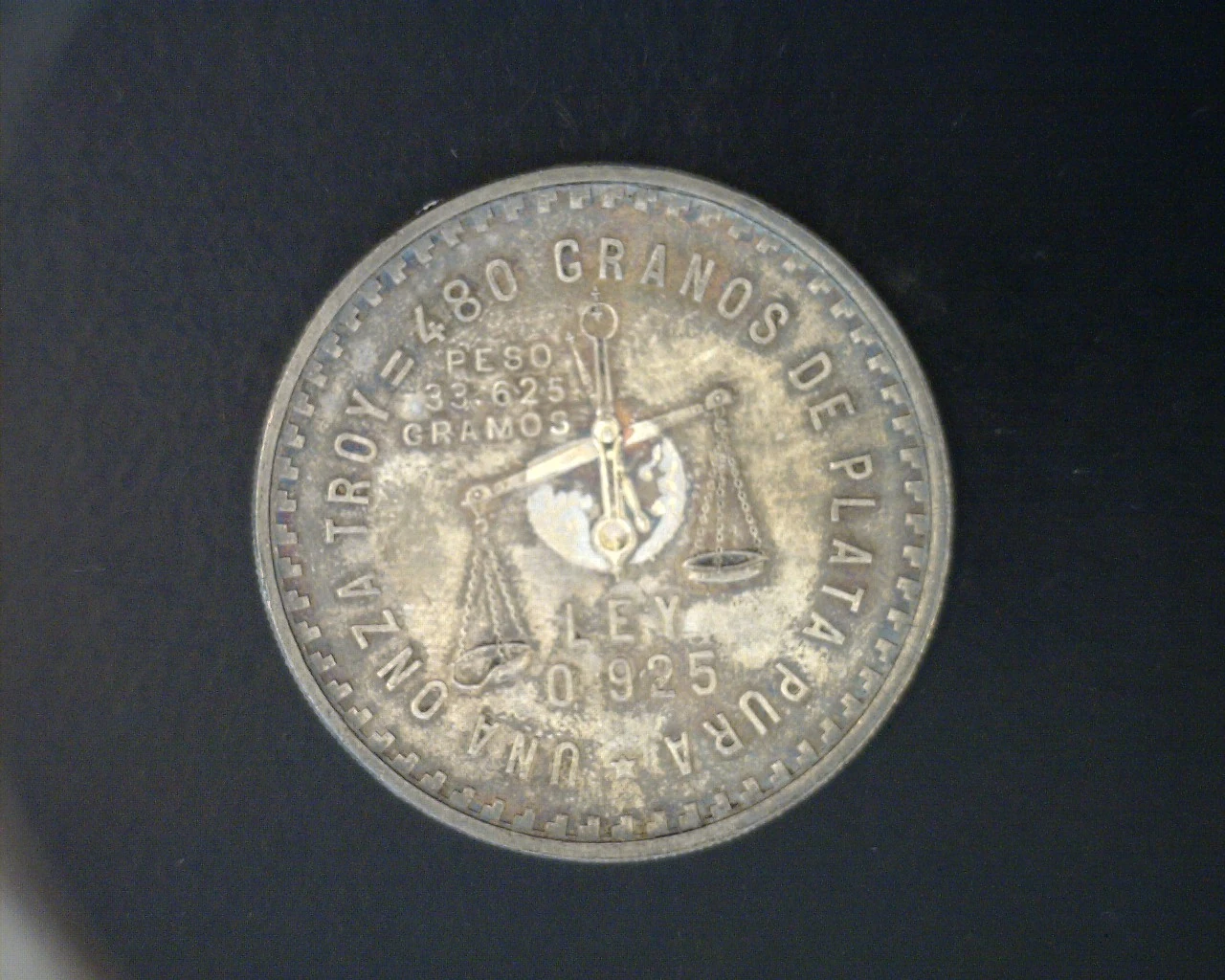
The reverse depicts a balance scale and identifies the fine-silver amount, alloy fineness and nominal gross mass. The 1949 type uses a 480-grain fine-silver legend. The later family uses a one-onza silver legend and .925/33.625-gram specifications. In 1979, the position of the left scale pan relative to the word UNA distinguishes two cataloged types.
The historical .925 group has four distinct annual years with a gap between 1949 and 1978. The 1978 return introduced two spacing types, followed by two scale-pan types in 1979 and the 1980 family. Dated reference records distinguish these historical bullion pieces from the Winged Victory Libertad series starting in 1982. A series heading spanning several decades does not imply continuous annual production.
Match the actual annual year, coin-press obverse, balance-scale reverse, .925 legend and nominal 33.625 g standard. Dated reference records give a 41 mm diameter; Numista describes 41.5 mm for the family. Record an individual coin’s measured diameter and complete design instead of selecting its purity by diameter alone. Keep patterns, plated copies, altered dates, gold onzas and modern silver Libertads separately identified.
The nominal gross weight includes both silver and the other alloy metal. Each correctly attributed piece uses the dated reference of 1 fine silver troy ounce. Three pieces therefore total 3 reference fine silver troy ounces and 100.875 nominal gross grams. The 33.625 g gross mass does not mean that the whole coin is pure silver. Wear or damage can affect an individual measurement. A dollar melt estimate also needs a current market quote and remains separate from an offer or collector valuation.
Actual annual years are 1949, 1978, 1979 and 1980. M49a is the 1949 type. M49b.1 is the 1978 wide-spacing type; M49b.2 is the 1978 close-spacing type. M49b.3 is the 1979 close-spacing type whose left scale pan points to U in UNA; M49b.4 instead points between U and N. M49b.5 supplies the 1980 and catalog-labeled 1980/70 rows. An overdate belongs to its visible issue year. Different catalogs can use different overdate descriptions, so retain the exact source attribution for a suspected variety.
Date, letter spacing, scale-pan alignment, overdate detail, surfaces, provenance and condition can influence collector interest independently of fine silver. Photograph the identifying details before combining pieces in a holding. The calculator does not determine rarity, grade or a variety premium. Preserve original surfaces and established certification or attribution; cleaning or polishing can affect collector interest.
Clear photographs of both complete sides and the edge, plus measured mass and diameter, help identify a candidate type. Compare any unusual date or spacing with the appropriate dated reference. A photograph or national mint legend cannot independently authenticate a specimen or assay its silver. Plated, cast, altered or doubtful pieces require individual examination. Avoid inferring a proof finish from shine.
Sort historical .925 Onza Troy pieces by actual dated type and keep modern .999 Libertads separate. Include full obverse, reverse and edge photographs when requesting a CashForCoins appraisal, with close views of spacing or suspected overdates. State the quantity and any existing certification. An offer can depend on authenticity, condition and collector demand alongside silver content; the reference calculation is educational.
Dated reference M49a and M49b.1–M49b.5 references describe .925 silver, 33.625 g gross mass and 1 reference fine silver troy ounce. Dated diameter is 41 mm; Numista lists 41.5 mm for the series. The difference in catalog diameter descriptions is disclosed; no alternate physical weight or purity is inferred. Actual annual years are 1949, 1978, 1979 and 1980. Annual years and meaningful design varieties are taken from the individual dated references. The nominal fine-silver reference applies to a correctly attributed historical .925 specimen. The gross mass includes the alloy and is distinct from the fine-silver amount. Source precision and type identity are stated explicitly so different bullion standards can be compared.
Content maintained by CashForCoins. Last substantive record update: 2026-10-12. Report a specification or attribution issue through our contact page.
Photo credits and rights on the linked coin profile.
Mexico • 99.9% silver; remaining alloy metals not independently verified
Issue years: 1991–1995
Fine silver: 0.499500 troy oz
Photographs can help identify your coin. An appraisal may consider authenticity, condition and collector demand as well as metal content.
Request a photo appraisal View current silver coin buying information
