A matching Mexican .300 silver fifty centavos contains 0.0642 reference fine silver troy ounce. Actual issue years are 1950–1951. The representative photograph is a 1950 coin. Confirm the full denomination, date, design, nominal 6.66 g weight and 26 mm diameter before counting a specimen; appearance alone cannot establish authenticity.
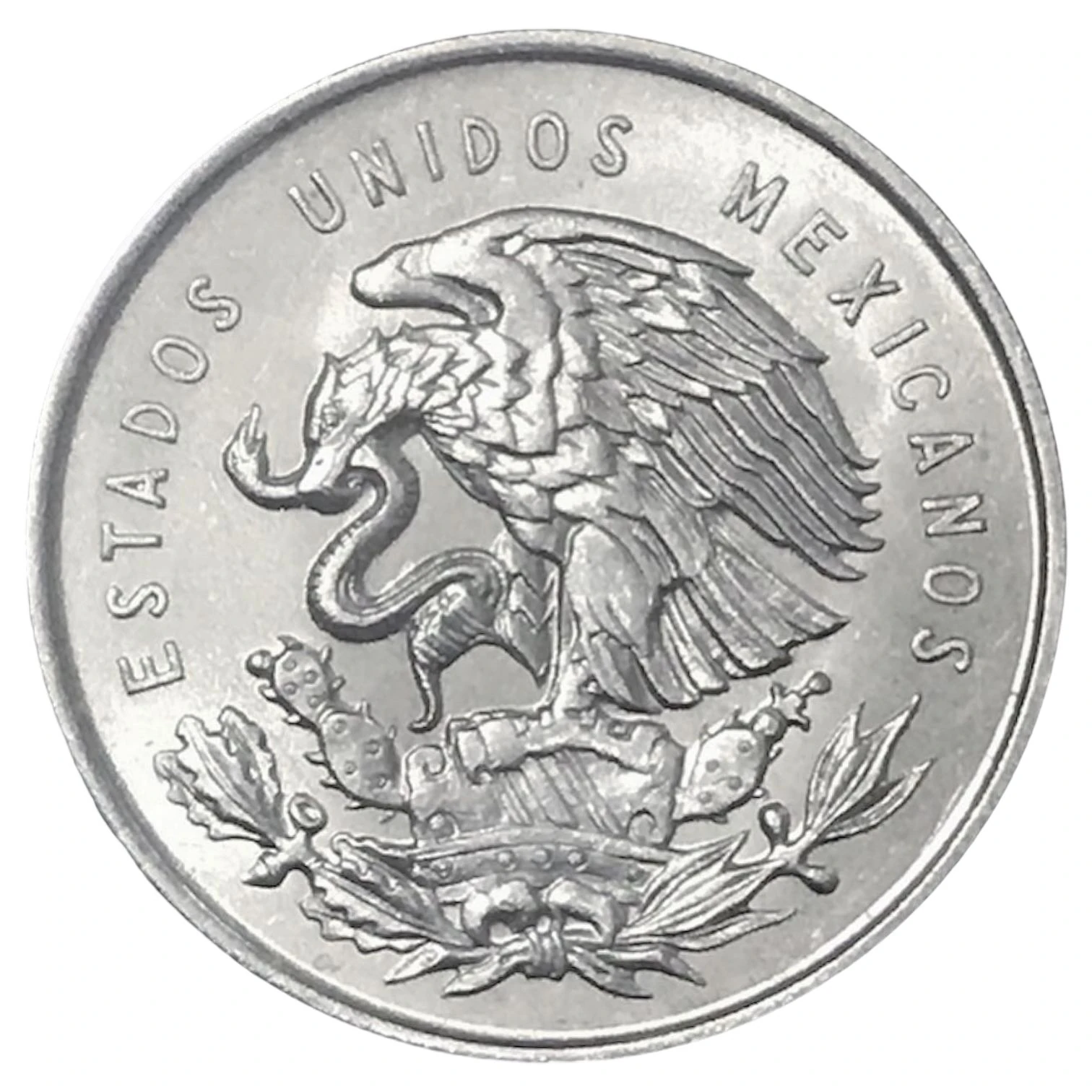
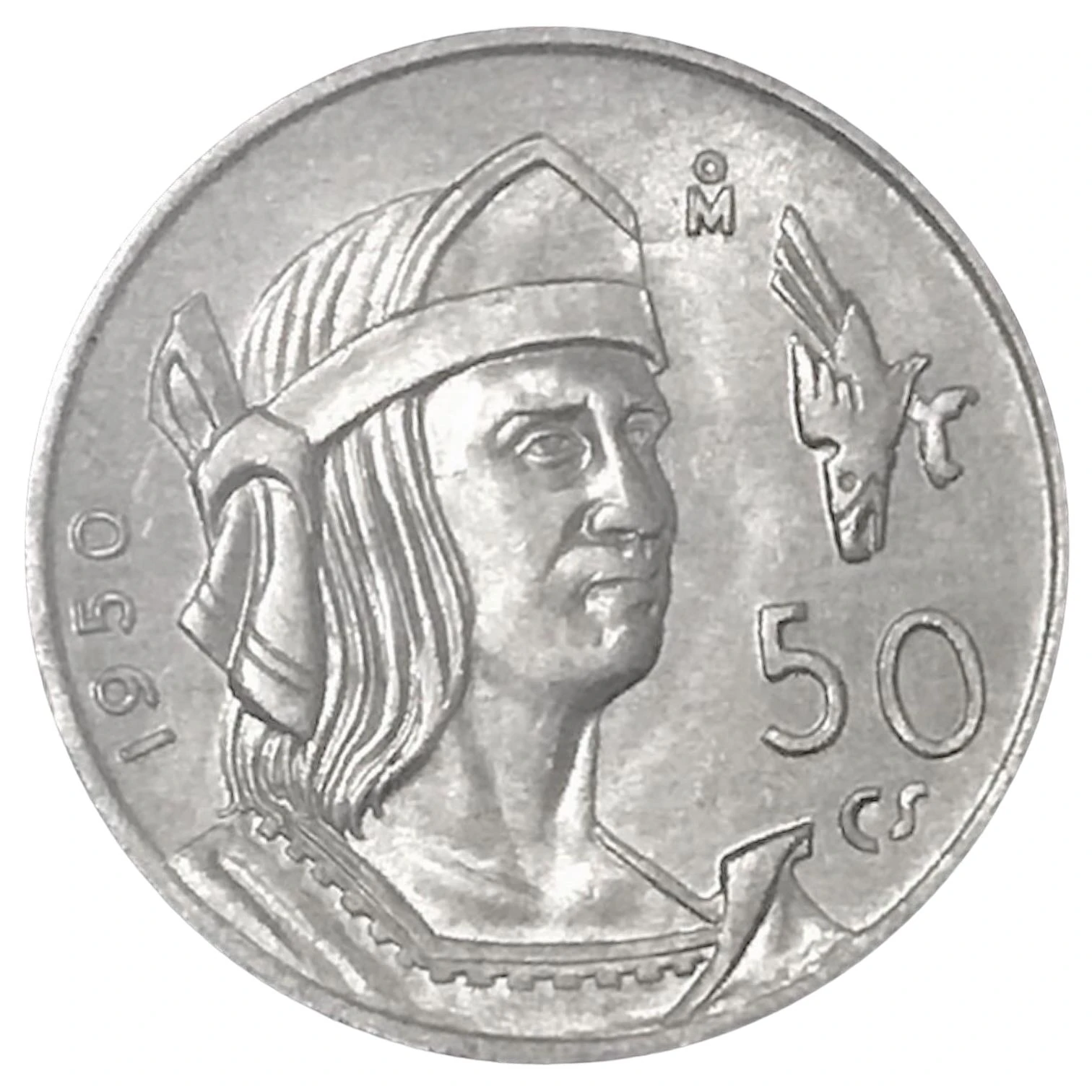
Obverse — Genuine 1950 representative; type-specific dates, designs, alloys and finishes still require attribution. Numismatica Quetzalcoatl / Numista / CC BY 4.0; Full observed source face retained; WebP conversion only; no enlargement, retouching or synthetic reconstruction · Image source · CC BY 4.0Reverse — Genuine 1950 representative; type-specific dates, designs, alloys and finishes still require attribution. Numismatica Quetzalcoatl / Numista / CC BY 4.0; Full observed source face retained; WebP conversion only; no enlargement, retouching or synthetic reconstruction · Image source · CC BY 4.0
When a fresh spot bid is available, melt values use fine-metal content × spot bid. CashForCoins guide buying offers use the separately configured percentage for each metal. Selected rare/numismatic coins require an appraisal. Dollar amounts remain unavailable when a fresh quote or buying percentage is missing.
Verified coin specifications
Country
Mexico
Face denomination
50 centavos
Composition
30% silver; remaining alloy metals not independently verified
Gross weight (grams)
6.66
Fineness
0.3
Fine-metal weight (troy oz)
0.0642
Diameter (mm)
26
Mint
Mint marked Mo (the reference dated reference)
Mint mark
Mo
Restrikes
Patterns, regional issues, tokens, counterfeits and later replicas excluded
Issue years
1950–1951
Exact reviewed annual issue dates for this assigned metal/weight scope. Mint, design, overdate and finish combinations remain type-specific; broader headings do not fill absent annual rows. Source precision exceptions and separate alloy standards are explained in the guide.
Source precision
The designated reference World Silver melt reference supplies 6.66 g gross mass, 0.3 silver fineness and 0.0642 reference fine silver troy ounce. Matching dated KM 449 records supply actual annual rows, 26 mm diameter, designs and mint notes. Thickness and the identities of remaining alloy metals are not independently verified.
Calculate this coin’s metal content
Formula: specified fine-metal troy ounces × quantity. Dollar melt value additionally requires an approved current metal price.
Obverse: identify the front
The national-arms obverse includes an eagle facing left and the ESTADOS UNIDOS MEXICANOS legend. Compare the whole rim and arms rather than identifying metal from the shared national emblem.
Reverse: identify the back
The reference describes a right-facing head with a head covering. The representative source identifies Cuauhtémoc and records the Mo mark, 50 cs and 1950 date. The portrait distinguishes this type from earlier Liberty-cap 50 centavos; it does not establish the alloy by itself.
History and purpose
The 1950–1951 KM 449 type uses a 6.66 g nominal weight and 30% silver. Earlier Mexican 50 centavos include .903, .800, .720 and .420 standards, each with a different silver amount. Later large base-metal 50 centavos must not inherit this small silver type’s calculator.
How to identify this variant
Identify both faces and read the complete 50 centavos denomination and date. The included standard has 6.66 g nominal gross mass, 0.3 silver fineness and 26 mm diameter. Earlier Liberty-cap 50 centavos, later bronze/copper-nickel 50 centavos, patterns and replicas are excluded. Wear may reduce measured mass; a magnet, bright surface or photograph alone cannot determine precise alloy. Keep an uncertain specimen separate until its type is verified.
Understanding its metal content
The calculator uses the reference’s designated 0.0642 fine silver troy ounce for each matching coin. Three coins contribute 19.98 nominal gross grams and 0.1926 reference fine silver troy ounces. Gross grams include alloy and must not be treated as pure silver grams. Troy and avoirdupois ounces are different units. Dollar melt pricing is unavailable until an approved provider supplies a current market quote; no missing quote is shown as zero.
Dates, varieties and composition changes
Specific annual years are 1950, 1951. Only 1950 and 1951 annual rows occur in the inspected KM 449 table. No 1952 or later issue is inferred from a similar portrait, and the inspected source does not separately establish a proof or overdate variation.
Melt value versus collector value
Preserve each specimen’s actual date, design attribution, finish, original surfaces and provenance. A date, die variety or condition may affect collector interest independently of silver content. The calculated metal amount does not establish rarity, grade or an offer. Avoid cleaning or polishing and retain any reputable certification rather than interpreting shine as proof manufacture.
Authenticity and condition
A representative 1950 photograph can illustrate an included design but cannot certify another specimen or assay its silver. Supply complete obverse, reverse and edge photographs with measured weight and diameter for identification. Patterns, plated pieces, cast copies and uncertain regional issues require separate investigation. The pictured faces do not independently prove an unseen edge or finish.
Selling this coin
Sort 50 centavos pieces by actual type, issue year and composition before adding quantities. Keep different standards and uncertain coins in separate groups. CashForCoins’ existing photo-appraisal link can carry the selected coin and quantity into an enquiry. Authentication, condition and collector demand may affect an actual offer alongside metal; this educational calculator is not a buying bid.
Sources and calculation methodology
The designated reference World Silver melt reference supplies 6.66 g gross mass, 0.3 silver fineness and 0.0642 reference fine silver troy ounce. Matching dated KM 449 records supply actual annual rows, 26 mm diameter, designs and mint notes. Thickness and the identities of remaining alloy metals are not independently verified. Dates are read from matching annual rows rather than inferred from a broad melt-group heading. The reference valuation tables, mintages and articles are not republished. The proposed main obverse/reverse photographs are credited to Numismatica Quetzalcoatl under CC BY 4.0 on Numista; unrelated edge and comparison photos are excluded.
The actual dated representative photographs and independent reuse permissions were inspected. Complete faces are retained, with WebP conversion and no enlargement, retouching or synthetic reconstruction; joined source images are split with complete rims. These photographs do not assay another specimen. Actual staging rendering and calculator acceptance are separately recorded.
Common questions
Which actual years are included?1950–1951. Matching annual rows establish these years; unlisted dates are not filled from a broad series heading.How much silver is in three matching coins?0.1926 reference fine silver troy ounces and 19.98 nominal gross grams. This is a metal-content calculation, not authentication or a collector valuation.Can another coin of the same denomination have a different silver content?Yes. Earlier Liberty-cap 50 centavos, later bronze/copper-nickel 50 centavos, patterns and replicas must not inherit this profile’s metal calculation. Confirm the exact type and alloy before combining quantities.
NGC matching dated Mexican type KM449 — dated identity; weight; fineness; diameter; actual dates from annual rows; design; mint and variety notes (checked 2026-10-12)
We use cookies to offer you a better browsing experience, analyze site traffic and personalize content. Read about how we use cookies and how you can control them in our Privacy Policy. If you continue to use this site, you consent to our use of cookies.