


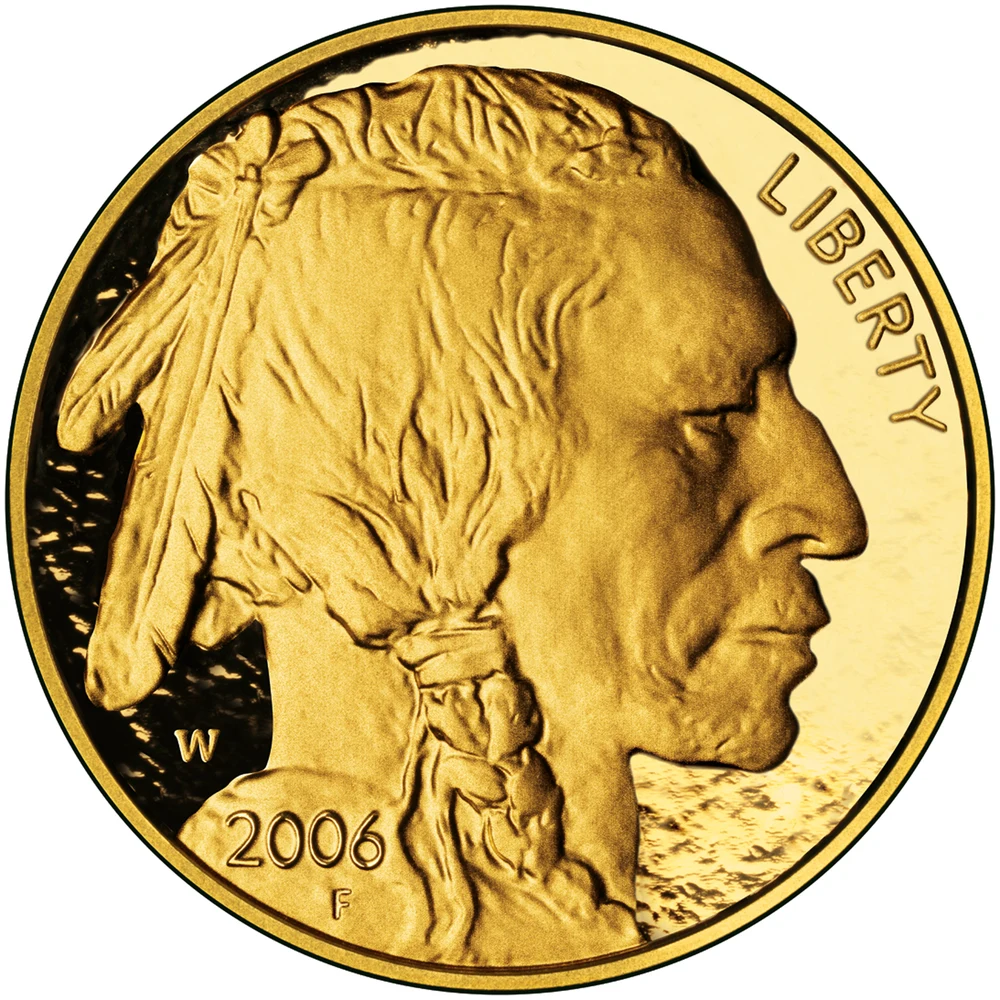
American Gold Buffalo, One Ounce
Photo credits and rights on the linked coin profile.
United States • 99.99% gold; balance alloy metal
Series dates: 2006–2026 (continuing)
Fine gold: 1.000000 troy oz
United States • 50 U.S. dollars
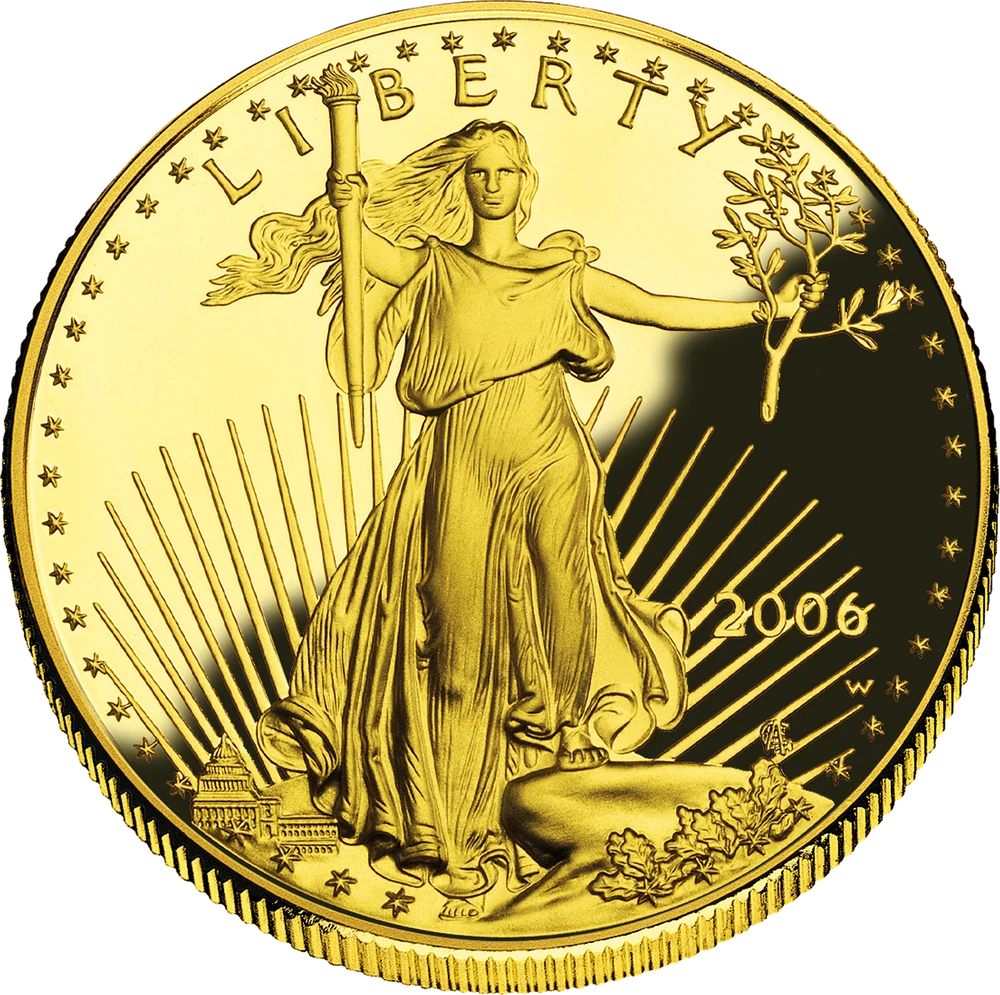
American Gold Eagle, One Ounce — Original Reverse contains one troy ounce of reference fine gold per correctly identified coin. The owner-selected reference table reports 33.931 g gross mass and 0.9167 gold fineness. The genuine photographs show a 2006-W proof example with a fifty-dollar denomination. Read both faces and the full gold-weight inscription before counting similar-looking pieces.
When a fresh spot bid is available, melt values use fine-metal content × spot bid. CashForCoins guide buying offers use the separately configured percentage for each metal. Selected rare/numismatic coins require an appraisal. Dollar amounts remain unavailable when a fresh quote or buying percentage is missing.
This is the original reverse family. Both reverse designs occur in 2021; identify the reverse. Availability of proof and other finishes differs from the bullion date list.
Formula: specified fine-metal troy ounces × quantity. Dollar melt value additionally requires an approved current metal price.
The illustrated 2006-W proof shows full-length Liberty with a torch and olive branch, stars around the rim and the Capitol below. The Arabic date and W appear to the right of the figure. Preserve those actual details when comparing another specimen; an earlier date style or a fractional coin requires its own complete identification.
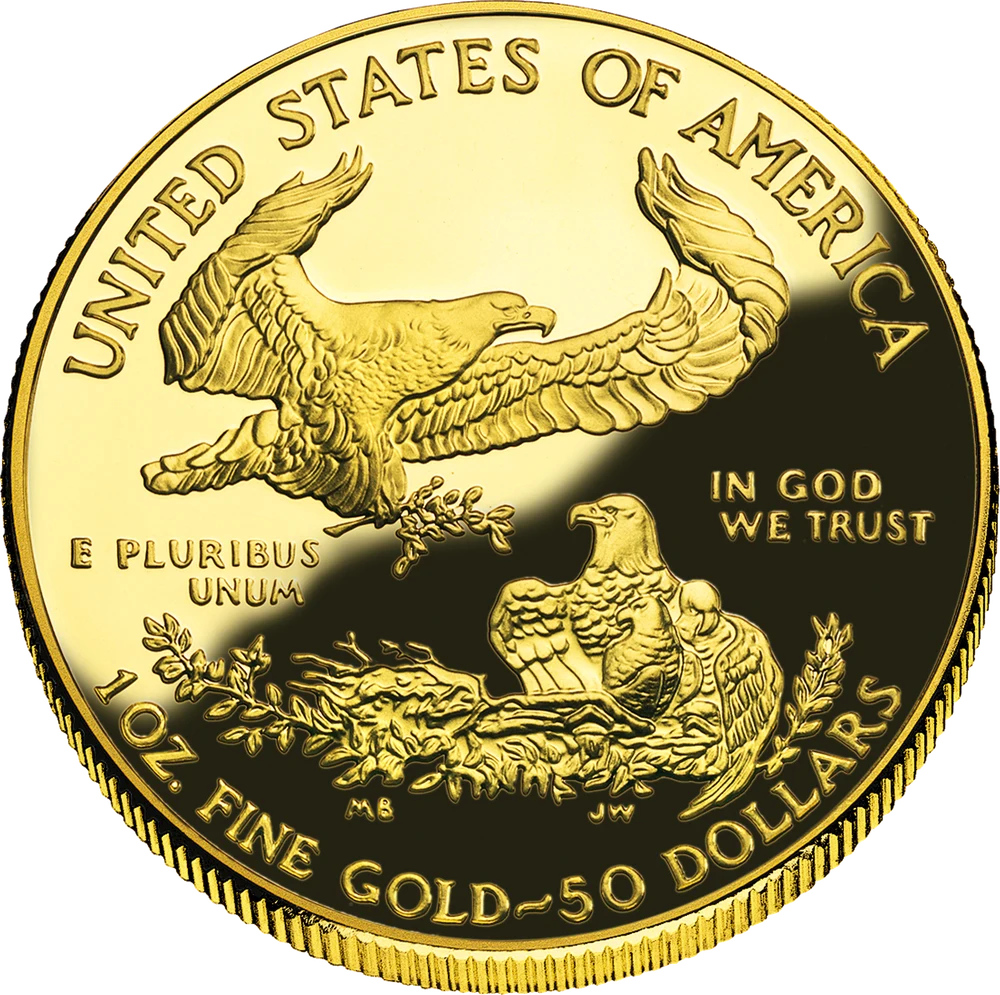
An eagle approaches a nest containing another eagle and hatchlings. The lower rim states 1 OZ. FINE GOLD–50 DOLLARS. Read that explicit ounce and denomination together: the nesting-eagle motif also appears on smaller fractions. The original Mint photograph retains the coin’s rim and the relief rather than substituting a line drawing.
This entry covers the original nesting-eagle reverse in the American Eagle program, introduced in 1986. The Mint connects its Liberty figure to the earlier Saint-Gaudens design. A new eagle portrait appeared during 2021; a design-transition year therefore cannot be assigned by the date alone.
Confirm 50 DOLLARS and 1 OZ. FINE GOLD, then match the nesting-eagle reverse. The issuer lists 32.70 mm diameter for the one-ounce size. The 2006-W photograph illustrates a proof finish; it does not establish the finish, authenticity or grade of a visitor’s coin. Do not confuse this modern fifty-dollar coin with the older ten-dollar denomination called an eagle.
Three matching coins total three fine gold troy ounces. The one-ounce inscription describes fine gold, while the coin’s gross mass is 33.931 g. Separately multiplying the displayed mass and fineness gives 31.1045477 g of nominal gold, approximately 1.000034 troy oz. That rounded-input calculation is disclosed separately from the cited source’s reported one-ounce AGW; it does not create a more precise reference quantity or measure an individual specimen.
The date interval 1986–2021 describes the original-reverse scope. In the transition year inspect the reverse itself. The refreshed obverse and later eagle-portrait reverse are separate library identities. Mint marks, special finishes and privy marks need issue-specific review; a 2006-W photograph cannot verify those later variants.
A proof finish, a documented special issue and intact original packaging may affect individual collector interest. Preserve evidence of the exact issue rather than inferring rarity from the word gold or the W alone. Reference AGW describes metal content; it is not a grade, a retail value or a guarantee that collectible value exceeds an offer.
Inspect the complete denomination, date, edge and gold-weight inscription alongside both designs. Keep packaging and any certificate with the actual coin; do not treat an empty box as proof of identity. A plausible weight or a similar portrait cannot establish authenticity. Obtain clear face and rim photographs without polishing, scratching or acid-testing the surface, and leave an uncertain piece outside the quantity calculation until it is examined.
Separate one-ounce pieces from fractions before counting. Record the actual date, mint mark, finish and any retained packaging, then use the existing appraisal link with this coin’s context. Proof coins and ordinary bullion can share a fine-gold standard while requiring different collectible assessments. The calculator supplies a reference quantity; it does not promise a purchase price or a premium for an unseen coin.
The cited U.S. gold table controls 33.931 g gross, .9167 fineness and 1 oz AGW. The issuer agrees on these displayed inputs and supplies diameter. The shorter original-reverse date scope is independently established by the Mint; the table’s continuing broad program row does not include the newer reverse in this identity. The owner-selected reference table governs uncertain metal inputs. Photograph source and visible identity were reviewed separately. The figures are reference specifications, not a customer assay or condition grade. A dated bid-based melt value and coin-guide estimate appear when a valid market quote is available; otherwise the calculator reports metal content without showing an invented dollar amount.
cited reference’s one-ounce AGW reference gives three fine gold troy ounces for three correctly identified matching coins.
No. The Mint changed the reverse during 2021. Inspect whether the actual reverse shows the nest or the eagle portrait.
No. This identity requires 50 DOLLARS and 1 OZ. FINE GOLD. Smaller modern denominations have separate fine-gold amounts.
Content maintained by CashForCoins. Last substantive record update: 2026-10-13. Report a specification or attribution issue through our contact page.
Photo credits and rights on the linked coin profile.
United States • 99.99% gold; balance alloy metal
Series dates: 2006–2026 (continuing)
Fine gold: 1.000000 troy oz
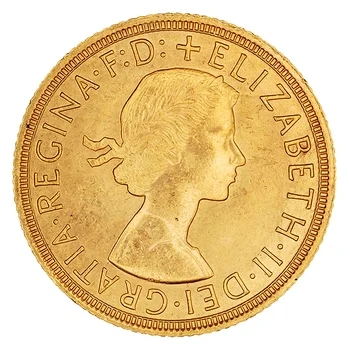
Photo credits and rights on the linked coin profile.
United Kingdom • 22-carat gold alloy
Issue years: 1959
Fine gold: 0.235400 troy oz
Photographs can help identify your coin. An appraisal may consider authenticity, condition and collector demand as well as metal content.
Request a photo appraisal View current gold coin buying information